Paulownia Wood and the Future of Bio-Based Design
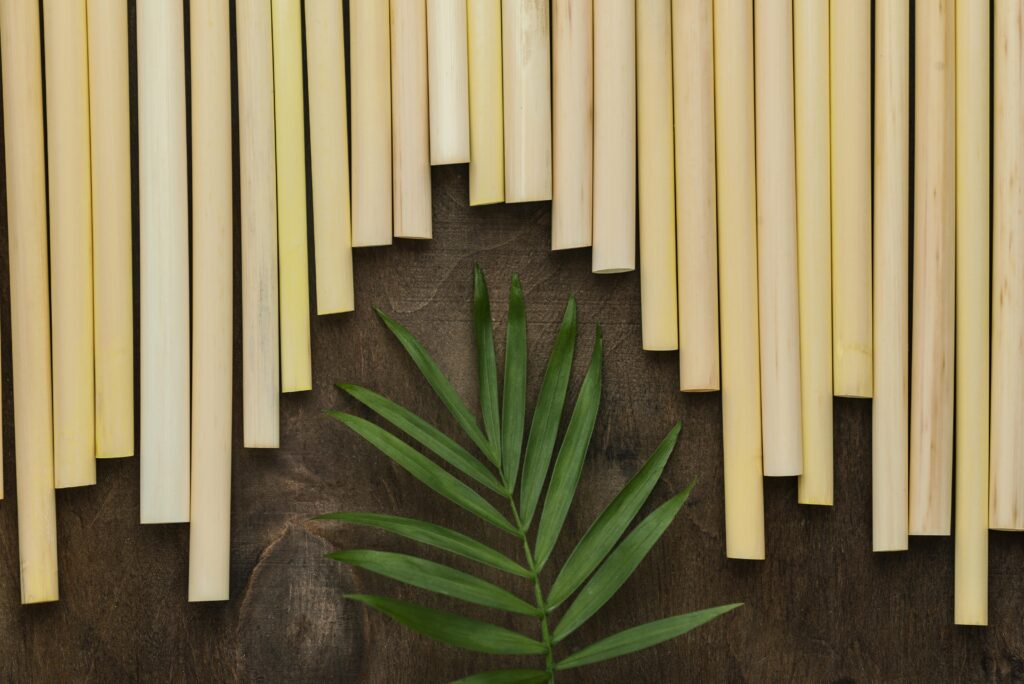
Bio-based design focuses on creating products and structures using renewable, natural materials instead of non-renewable or synthetic ones. Paulownia wood fits perfectly into this movement. Because it grows rapidly and regenerates easily, it provides a steady, sustainable source of timber without depleting forests. Designers and engineers are increasingly drawn to Paulownia wood for its low environmental impact and versatility across industries.
Why Paulownia Wood Excels in Design
Paulownia wood stands out for its strength-to-weight ratio — it is lighter than most hardwoods but equally durable. This unique quality makes it ideal for furniture, architectural panels, and even acoustic instruments. Moreover, its natural resistance to warping, insects, and moisture ensures longevity without the need for chemical treatments. As a result, Paulownia wood reduces waste, extends product life, and supports circular economy principles in design.
Innovating Through Sustainability
The future of bio-based design lies in integrating functionality with sustainability. Paulownia wood’s adaptability allows manufacturers to create high-performance, low-impact products that meet modern standards for both aesthetics and eco-responsibility. For example, sustainable housing projects are adopting Paulownia panels for insulation and interior design, while innovators in fashion and packaging explore new bio-composites derived from its fibers.
Africa’s Opportunity in the Green Design Economy
As global markets shift toward renewable materials, Africa can leverage Paulownia farming and processing to lead in sustainable design exports. Establishing local industries that convert Paulownia wood into finished products — such as furniture, veneers, and eco-construction materials — could generate jobs and attract international investment. This positions Paulownia as not just a tree of environmental value, but as a catalyst for green industrial innovation.
Final Thoughts
Paulownia wood and the future of bio-based design are deeply connected. Its rapid growth, renewability, and versatile properties make it an essential material for the world’s transition to sustainable production. By investing in Paulownia-based industries, Africa and the world can embrace a future where design supports both creativity and the planet.