How Paulownia Growth Drives Climate-Ready Ecosystems
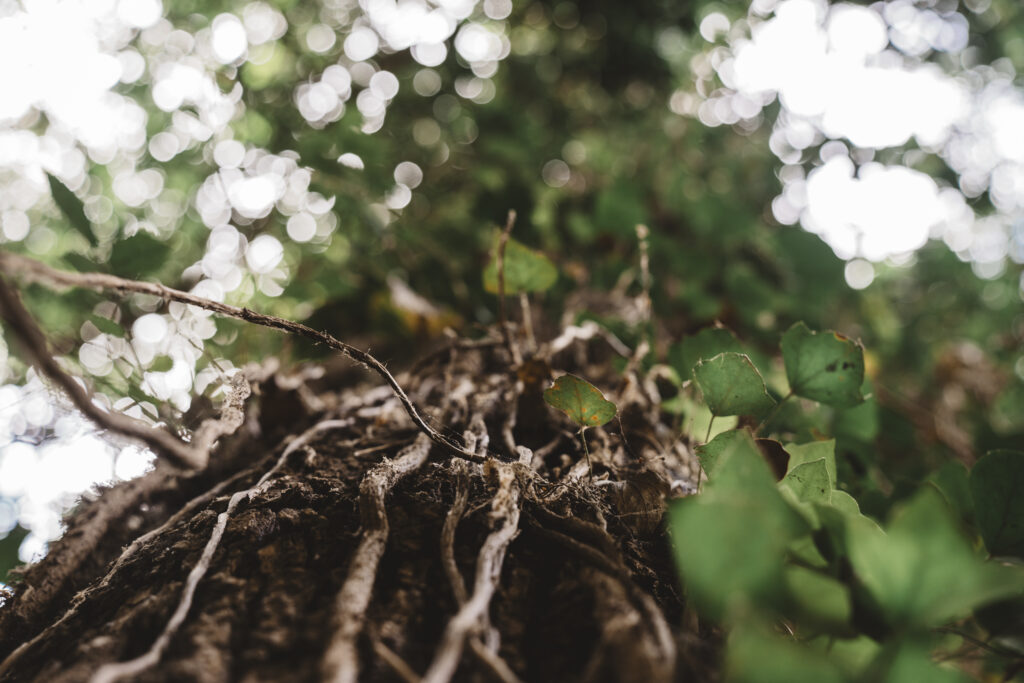
Paulownia growth is helping shape climate-ready ecosystems that can thrive even under changing environmental conditions. As one of the fastest-growing and most adaptable trees, Paulownia provides a natural bridge between sustainable forestry and ecosystem restoration. Its remarkable ability to absorb carbon, restore soil, and regenerate after harvest makes it essential for a greener future.
Restoring Balance through Paulownia Growth
Paulownia growth supports land restoration by stabilizing soil and reducing erosion. Its deep roots anchor the earth while its wide leaves absorb carbon dioxide and release clean oxygen. In degraded or semi-arid areas, it improves soil fertility, allowing vegetation to recover faster. Moreover, its rapid growth means that visible environmental benefits appear within just a few years. Therefore, communities that plant Paulownia experience faster recovery of degraded landscapes and improved food security.
Building Climate-Ready Ecosystems
Healthy ecosystems depend on balance, and Paulownia trees play a vital role in achieving it. Because they regenerate after cutting, forests remain productive without the need for replanting. This unique regeneration process not only supports carbon capture but also helps maintain local biodiversity. Furthermore, Paulownia can coexist with crops, offering shade and creating cooler microclimates. As a result, farmers benefit from both environmental stability and improved agricultural yields.
Strengthening Green Economies
Paulownia growth contributes directly to green economic development. The wood is lightweight yet durable, making it ideal for construction, furniture, and crafts. Additionally, since the trees grow fast and renew themselves, they provide continuous timber without causing deforestation. This renewable supply encourages eco-friendly business ventures and sustainable farming practices. In addition, the leaves and flowers can be used for compost or animal feed, giving farmers even more economic opportunities.
Integrating Paulownia into Climate Policy
Governments and organizations across Africa are increasingly integrating Paulownia cultivation into climate action plans. It aligns perfectly with reforestation programs, carbon offset goals, and sustainable land use strategies. Moreover, community-led Paulownia projects create local jobs, promote environmental education, and foster long-term resilience. Consequently, the tree serves as both an environmental tool and a source of hope for sustainable development.
A Greener Path Forward
Ultimately, Paulownia growth proves that ecological restoration and economic progress can coexist. Its benefits stretch from cleaner air to stronger communities, making it a key asset in the fight against climate change. With continued expansion, Paulownia will remain central to building climate-ready ecosystems that protect the planet while empowering people.