Agroforestry Myths: Why Mixing Paulownia with Crops Isn’t Risky
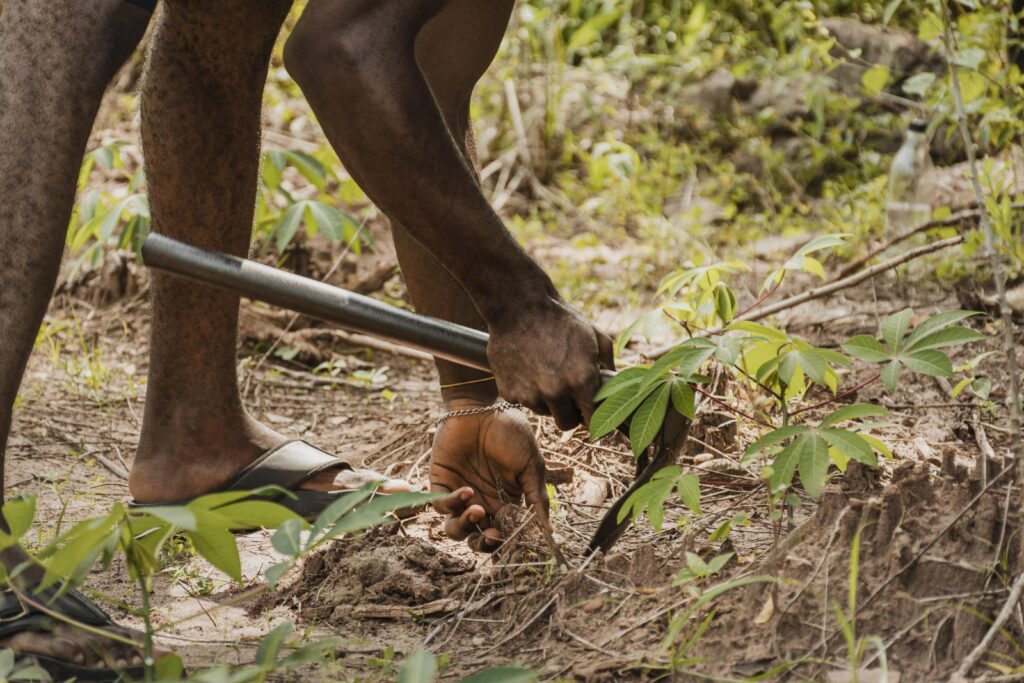
Agroforestry myths often mislead farmers into believing that integrating trees with crops is risky or unprofitable. In reality, fast-growing trees like Paulownia are ideal for agroforestry systems, offering both environmental and economic benefits. Understanding these misconceptions helps farmers, researchers, and policymakers embrace sustainable practices that support food security and climate resilience.
Paulownia and Crop Compatibility
A common myth is that trees compete excessively with crops for sunlight, water, and nutrients. Paulownia’s tall, sparse canopy allows adequate sunlight for understory crops. Its deep roots minimize competition for surface water, while leaf litter enriches soil fertility. Farmers can successfully combine Paulownia with cereals, legumes, or vegetables, enhancing overall farm productivity rather than reducing yields.
Economic Benefits of Agroforestry
Another misconception is that integrating trees is a long-term gamble with delayed returns. Paulownia challenges this belief with rapid growth and multiple revenue streams. Within 5–7 years, farmers can harvest timber for furniture, panels, or biomass. Meanwhile, intercropped crops provide annual income, diversifying revenue and reducing financial risk. This dual-income approach strengthens rural livelihoods and makes agroforestry a smart investment.
Environmental Advantages
Some believe that planting trees alongside crops can harm the environment. On the contrary, Paulownia in agroforestry systems improves soil structure, reduces erosion, and sequesters carbon. Its large leaves provide mulch and organic matter, enhancing soil moisture retention and nutrient cycling. These benefits improve farm resilience against climate variability and support sustainable land management.
Research-Backed Best Practices
It is often assumed that agroforestry is experimental or unreliable. Extensive research and field trials have proven Paulownia’s compatibility with various crops. Optimal spacing, pruning, and rotation schedules maximize productivity and minimize risks. Farmers adopting these research-backed techniques achieve higher yields, healthier soils, and sustainable timber production.
Final Thoughts
Agroforestry myths should not discourage tree-crop integration. Paulownia demonstrates that mixing crops and trees can be a profitable, environmentally friendly, and low-risk strategy. By relying on research, proper management, and local knowledge, farmers can create resilient farms that produce food, timber, and income simultaneously. Embracing Paulownia-based agroforestry contributes to sustainable rural development, climate mitigation, and long-term land productivity.