Agroforestry Myths: Fast Returns from Smarter Systems
The belief that agroforestry takes decades to generate profits is one of the most persistent agroforestry myths. Many farmers and investors still assume it’s a long-term gamble with uncertain returns. However, new insights into sustainable farming show that smart agroforestry systems—especially those using Paulownia—can bring economic benefits much faster than expected.
Agroforestry Myths and Modern Realities
One of the biggest agroforestry myths is that trees reduce crop yields and slow down income. This idea stems from traditional models that lacked strategic design. Today, integrated systems with trees like Paulownia improve soil fertility, regulate temperature, and protect against erosion. In turn, crops grow better, land stays productive, and farmers earn more within shorter cycles.
How Smart Agroforestry Systems Create Fast Returns
Innovative farming models are proving that agroforestry systems can pay off early. By combining fast-growing trees such as Paulownia with high-demand crops—like legumes, grains, or vegetables—farmers gain short-term income while trees mature. These hybrid systems improve soil structure, reduce fertilizer costs, and ensure resilience against climate variability.
Moreover, technology-driven management—using satellite data, smart irrigation, and soil sensors—helps optimize spacing, watering, and harvest timing. This precision approach transforms agroforestry from a slow investment into a dynamic, data-backed enterprise.
Case Studies: Paulownia’s Role in Disproving Agroforestry Myths
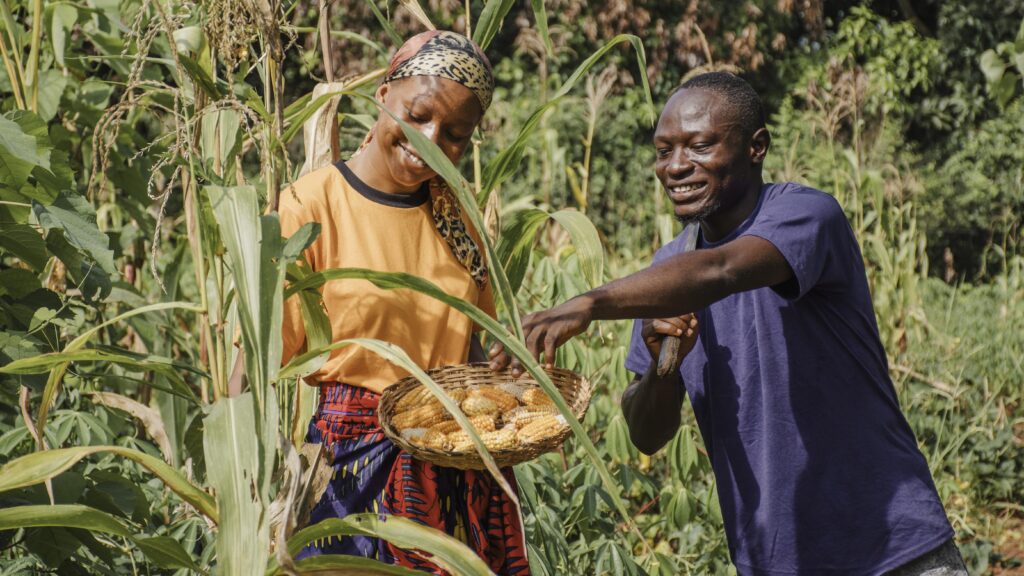
Across Africa and Asia, success stories abound. In Kenya, Paulownia-based agroforestry systems are boosting food security and farm incomes. Farmers intercropping maize and beans under Paulownia can sell crops within months, while trees continue to grow for long-term timber value. Similarly, in China and Uganda, Paulownia plantations are demonstrating sustainable profitability within the first three years—challenging the myth that returns only come after a decade.
Agroforestry Myths vs. Smart Investments
Another common agroforestry myth is that tree farming requires huge land areas and high startup costs. In truth, Paulownia’s fast growth and minimal input needs make it ideal for smallholders. Its deep roots prevent nutrient competition with crops, while its wide canopy improves soil moisture retention—two factors that enhance yields and reduce risk.
Final Thoughts
Debunking agroforestry myths opens the door to smarter, greener, and faster returns. With species like Paulownia leading innovation, farmers no longer have to choose between short-term profit and long-term sustainability. The future of agroforestry lies in intelligent design—where science, technology, and nature work together to build both wealth and resilience.