Is Deforestation Irreversible? Debunking the Doom Narrative
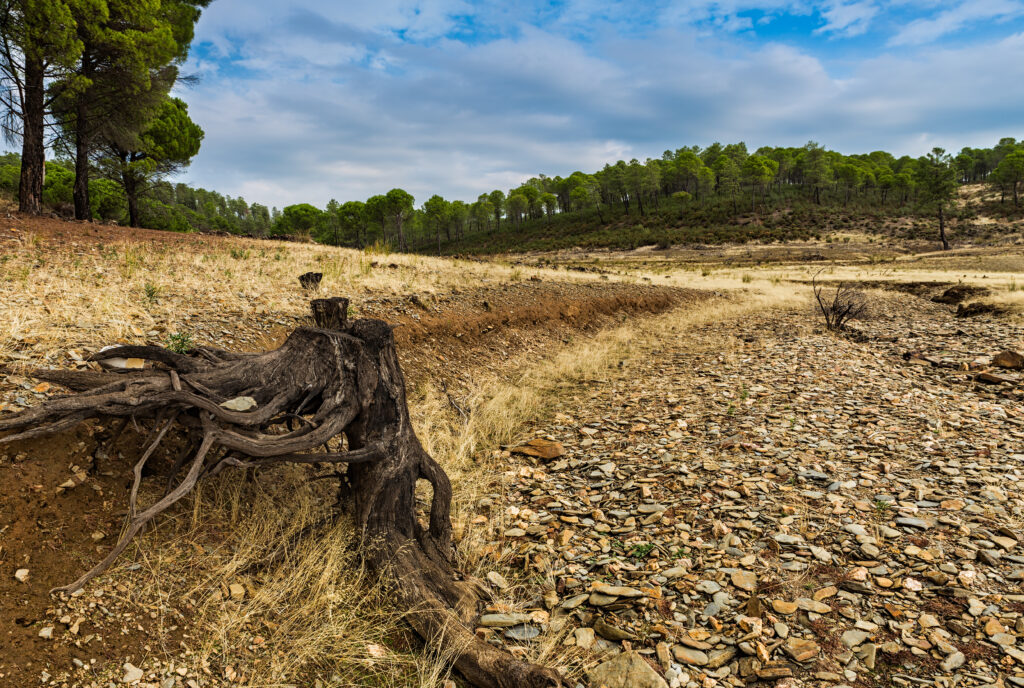
The phrase “deforestation is irreversible” often dominates environmental discussions, painting a grim picture of a planet beyond repair. While the damage from widespread deforestation is indeed serious, the idea that forests can never recover oversimplifies a complex issue. With the rise of regenerative forestry and species like Paulownia, the path to restoring green cover and ecological balance is clearer than ever.
Understanding the Deforestation Challenge
Deforestation refers to the large-scale clearing of forests, often for agriculture, mining, or urban development. It disrupts ecosystems, accelerates carbon emissions, and threatens biodiversity. However, labeling this process as irreversible ignores the power of reforestation, restoration, and sustainable land management. Forests are living systems—capable of renewal if given the right conditions and consistent human support.
The Role of Fast-Growing Trees in Recovery
Species such as Paulownia are proving that deforestation is not irreversible. Known for its rapid growth and ability to thrive in various soil conditions, Paulownia plays a crucial role in land restoration. It grows up to 15 feet per year and naturally regenerates from its roots after harvest. These traits make it a strong ally in afforestation and carbon offset programs, helping degraded lands regain productivity within years rather than decades.
From Damage to Regeneration
The doom narrative surrounding forest loss often overlooks real progress. Across Africa and other regions, community-based forestry projects and private-sector partnerships are reclaiming deforested land through sustainable planting models. By combining science, policy, and local knowledge, these programs turn idle or damaged landscapes into thriving ecosystems. When trees like Paulownia are integrated into these efforts, the results are both environmentally and economically rewarding.
Changing Perspectives through Policy and Practice
Reversing deforestation is not just an environmental mission—it’s a policy challenge. Governments and organizations are now adopting frameworks that encourage sustainable forestry, promote reforestation incentives, and support landowners who invest in green cover restoration. Each new tree planted is not just a symbol of hope but a tangible step toward reversing years of damage.
Final Thoughts
So, is deforestation irreversible? Absolutely not. The narrative must shift from despair to determination. With sustainable forestry practices, strong policy backing, and fast-growing trees like Paulownia, the planet’s forests can and will recover—faster and stronger than many imagine.