The Renewable Energy Myth: Why Green Tech Still Needs Green Forests
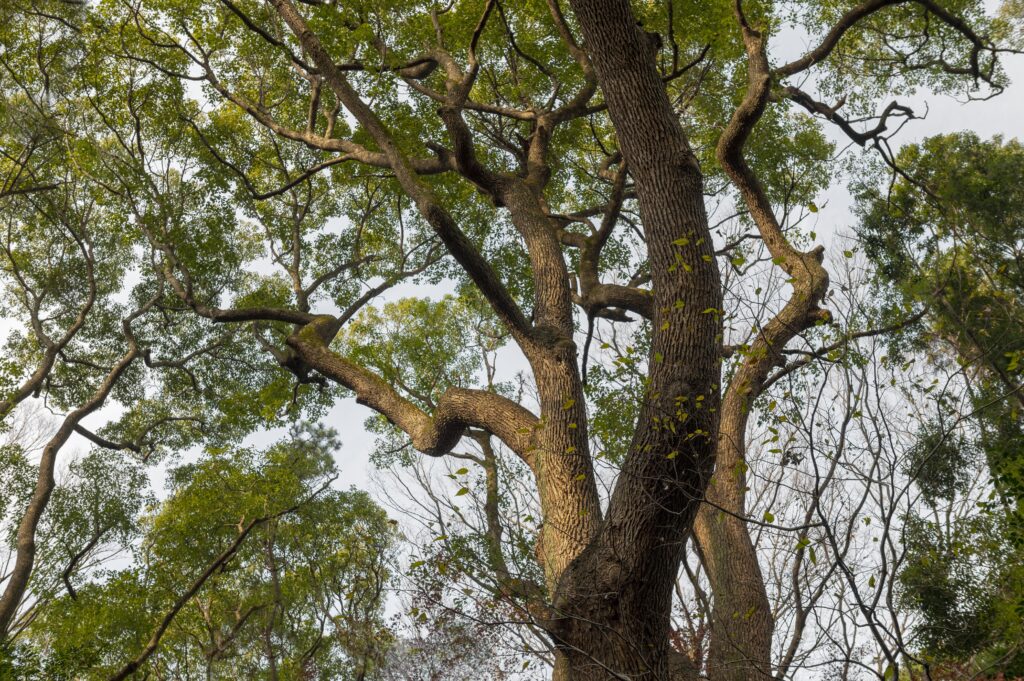
A common misconception in climate discussions is that renewable energy alone can solve environmental challenges. While solar, wind, and hydropower reduce fossil fuel dependence, green technology cannot replace the ecological services provided by forests. Trees, especially fast-growing species like Paulownia, play a crucial role in carbon sequestration, water regulation, and biodiversity support. Ignoring the importance of forests undermines the effectiveness of green energy solutions.
The Limits of Renewable Energy
Renewable energy technologies generate clean power but do not directly capture carbon or restore degraded soils. Without forests, carbon emissions from other sectors continue to accumulate. Deforestation also disrupts water cycles and increases soil erosion, limiting the potential of renewable energy to mitigate climate change fully. Paulownia plantations help bridge this gap by capturing carbon while supporting sustainable land use.
Debunking the Renewable Energy Myth
The myth that green technology alone is enough often overlooks the integrated nature of ecosystems. Forests regulate local climates, prevent desertification, and maintain soil fertility. Paulownia, for instance, grows rapidly and stores significant carbon, complementing renewable energy efforts. Planting trees alongside adopting green technologies creates a synergistic effect, enhancing climate resilience while maintaining ecosystem health.
Forests as Partners in Climate Solutions
Sustainable forestry and renewable energy work best together. Forests act as natural carbon sinks, while green technologies reduce fossil fuel reliance. When combined, they amplify each other’s benefits. Agroforestry systems, reforestation projects, and urban tree planting initiatives demonstrate that forests remain indispensable, even in a world increasingly powered by renewable energy.
The Role of Paulownia in Green Strategies
Paulownia trees offer both economic and environmental value. They provide timber, improve soil health, and sequester carbon at high rates. By integrating Paulownia forestry with green technology projects, communities can achieve long-term sustainability goals. This combination ensures that energy solutions are reinforced by ecological safeguards, creating resilient landscapes and supporting livelihoods.
Final Thoughts
The renewable energy myth oversimplifies climate action. Green technology is essential, but forests remain critical allies in carbon capture, biodiversity preservation, and soil restoration. Incorporating Paulownia and sustainable forestry practices ensures a balanced, effective approach to climate mitigation.