Forestry Investment: A Beginner’s Guide to Paulownia in Kenya
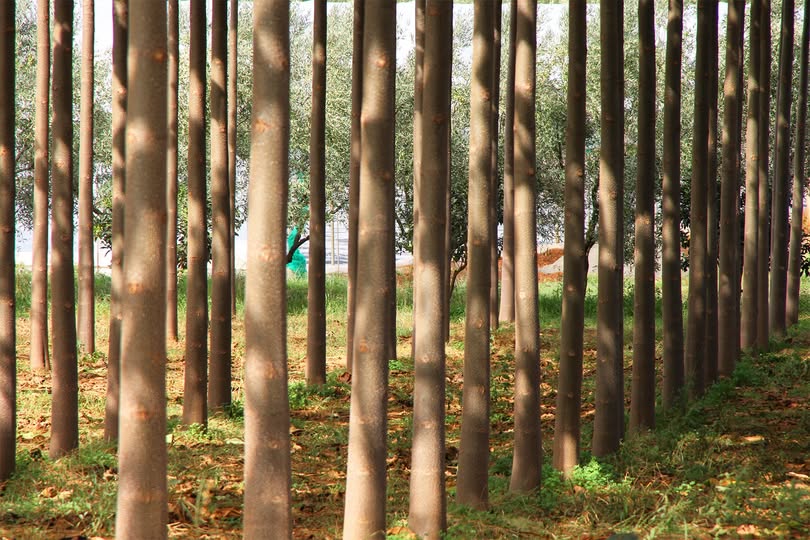
Forestry investment is becoming increasingly attractive in Kenya as people search for ventures that combine profitability with sustainability. Among the options available, Paulownia is emerging as a standout tree species. Known for its rapid growth and versatile hardwood, it provides both strong financial returns and environmental benefits. For beginners, learning how forestry investment in Paulownia works is an important first step toward making a smart decision.
Why choose Paulownia for forestry investment
Paulownia trees grow faster than most hardwoods, reaching maturity much sooner than eucalyptus. This fast growth results in earlier harvests and quicker returns on capital. At the same time, Paulownia produces high-quality timber that is lightweight yet durable, suitable for furniture, instruments, and specialty products.
With its multiple uses and global demand, Paulownia offers investors in Kenya a unique opportunity to tap into a profitable timber market.
How investment partnerships work
Starting out in forestry can seem complicated. However, forestry investment becomes more accessible through partnerships with experts. Companies like Big Branch Africa guide landowners and investors by handling species selection, planting, and management.
In this model, landowners or investors provide land and capital while professionals manage operations. This approach reduces risk for beginners and ensures the trees are grown under the best conditions.
Financial potential of Paulownia forestry
Paulownia provides strong returns because it regenerates from its stump after harvesting. This reduces the need for replanting and allows for several income cycles from the same tree.
Additionally, forestry companies often provide revenue calculators to show potential earnings. These tools give beginners a clear picture of how much they can invest and what returns to expect. This level of transparency helps new investors plan with confidence.
Environmental and community impact
In addition to profit, Paulownia supports environmental restoration. The trees absorb carbon dioxide, improve soil fertility, and protect against erosion. At the same time, forestry projects create local jobs in planting, harvesting, and timber processing.
This means investing in Paulownia is not only financially rewarding but also socially and environmentally responsible.
Final Thoughts
Forestry investment in Kenya through Paulownia combines financial returns, sustainability, and social benefits. With expert guidance, rapid tree growth, and long-term demand for timber, it is a practical and rewarding choice for beginners seeking a green investment path.