Comparing Forestry Investment with Traditional Farming in Kenya
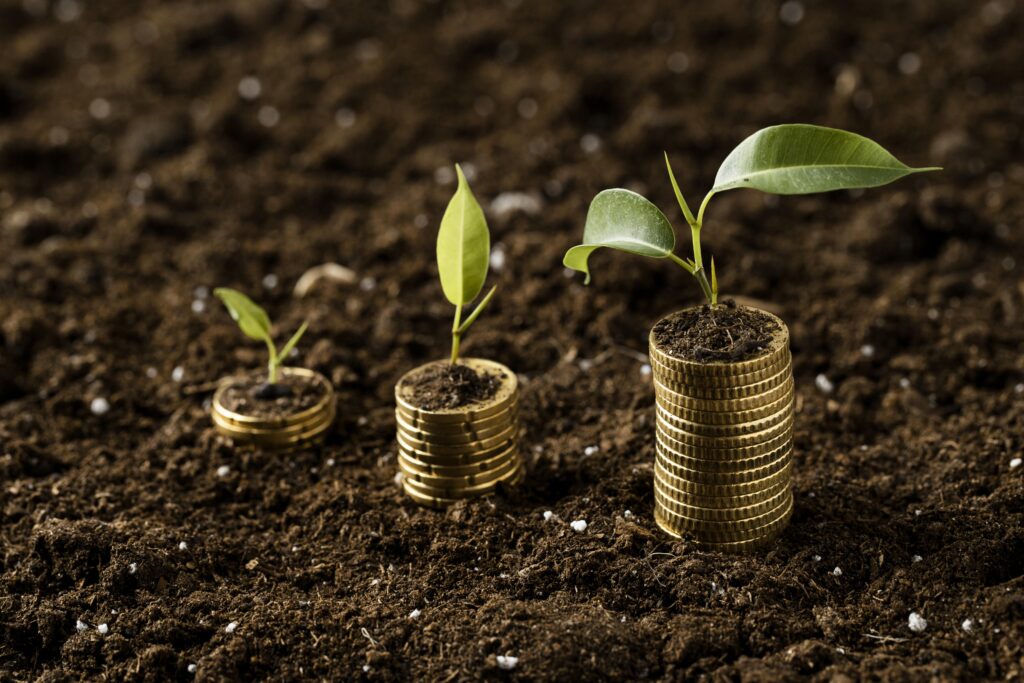
Forestry investment is gaining momentum in Kenya as more farmers consider diversifying their land use. At the same time, traditional farming remains the foundation of rural livelihoods. Comparing forestry investment with traditional farming helps landowners make smarter choices about income, sustainability, and long-term security.
Opportunities in Forestry Investment
Forestry focuses on planting and managing trees for timber, carbon credits, and ecological benefits. Fast-growing species like Paulownia are particularly attractive because they mature in just 7–10 years, unlike most hardwoods that take decades. This short cycle offers earlier returns while also improving soil health and biodiversity.
Investors benefit not only financially but also environmentally. Trees sequester carbon, reduce erosion, and create a buffer against climate change—making forestry a profitable and sustainable option for Kenyan farmers.
Strengths of Traditional Farming
Traditional farming, including crops such as maize, beans, and livestock, continues to provide immediate food and income. It ensures household food security, which forestry alone cannot. However, challenges such as unpredictable rainfall, high input costs, and declining soil fertility make it increasingly risky for smallholders.
Comparing Long-Term Returns
When comparing forestry with traditional farming, the biggest difference lies in returns. Farming generates quick but uncertain income, while forestry demands patience yet delivers more stable long-term rewards. Forestry also enhances soil quality, which benefits future generations.
An integrated approach—such as agroforestry, where trees like Paulownia grow alongside crops—allows farmers to enjoy both steady harvests and long-term forestry income.
Final Thoughts
For Kenyan landowners, combining forestry investment with traditional farming offers the best path forward. Agroforestry systems deliver food security, sustainable land use, and long-term profitability, making them a climate-smart solution for the future.