Youth Empowerment Through Paulownia Agroforestry Projects
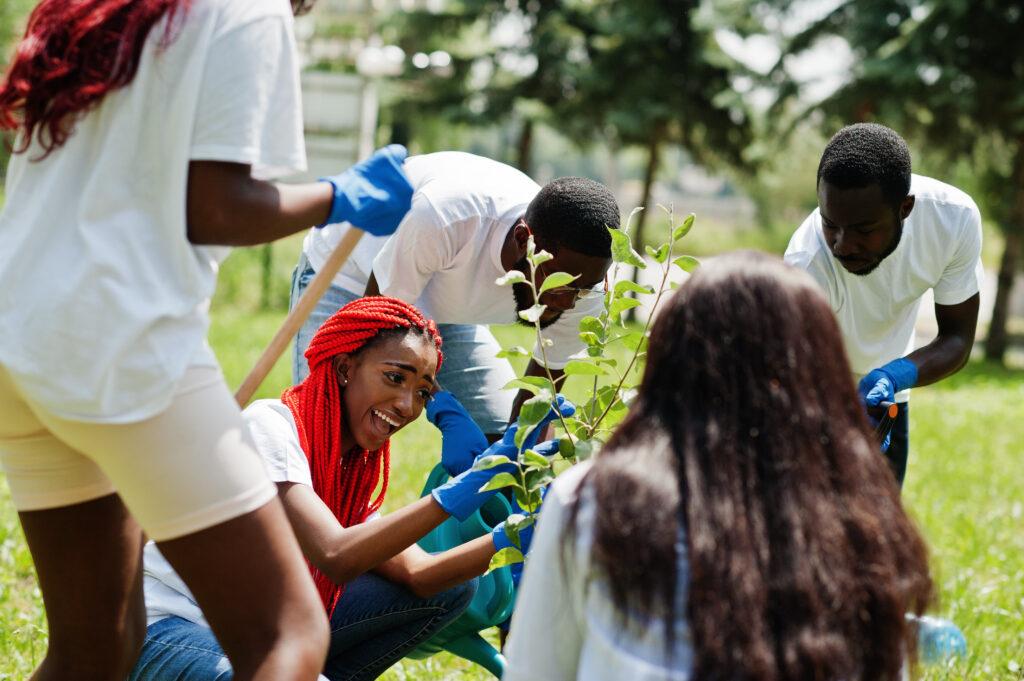
Youth and Paulownia agroforestry is transforming rural communities in Kenya by creating economic, social, and environmental opportunities. Fast-growing, versatile, and low-maintenance, Paulownia trees are ideal for youth-led forestry initiatives. Engaging young people in agroforestry helps them gain skills, generate income, and contribute to climate-smart land management practices.
Economic Opportunities in Youth-Led Paulownia Projects
Participating in youth and Paulownia agroforestry allows young people to earn income through tree cultivation, timber sales, and value-added wood products. Paulownia matures faster than many hardwoods, giving youth quicker returns on their investment. Small-scale nurseries, planting services, and timber processing enterprises create multiple revenue streams. Additionally, partnerships with landowners enable youth to manage plantations without owning land, reducing entry barriers and fostering inclusive growth.
Skills Development for Youth in Paulownia Forestry
Youth-led Paulownia projects equip participants with practical skills in nursery management, planting techniques, and sustainable forestry practices. Young farmers also gain knowledge in market trends, timber processing, and agroforestry planning. These competencies prepare them for long-term careers in the forestry sector while fostering entrepreneurship and leadership within rural communities.
Environmental and Community Benefits
Paulownia forestry initiatives for youth strengthen local communities while promoting environmental sustainability. Tree plantations improve soil fertility, prevent erosion, conserve water, and sequester carbon, supporting climate-smart agriculture. Involving youth raises awareness of sustainable land use and encourages environmentally responsible behaviors. Communities benefit from cleaner air, enhanced biodiversity, and economic development driven by forestry projects.
Overcoming Challenges
Implementing youth-led Paulownia initiatives can face challenges such as limited land access, start-up capital, and technical knowledge gaps. Strategic partnerships with landowners, investors, and training programs help overcome these barriers. Government support and community engagement further enhance project success, ensuring youth participation is both impactful and sustainable.
Final Thoughts
Youth and Paulownia agroforestry demonstrates how sustainable forestry can combine economic opportunity, skills development, and environmental stewardship. By involving young people in these initiatives, Kenya cultivates a generation of skilled, environmentally conscious entrepreneurs. These efforts strengthen both rural communities and the forestry sector, creating a win-win model for sustainable development.