How Fast-Growing Trees Support Reforestation Goals
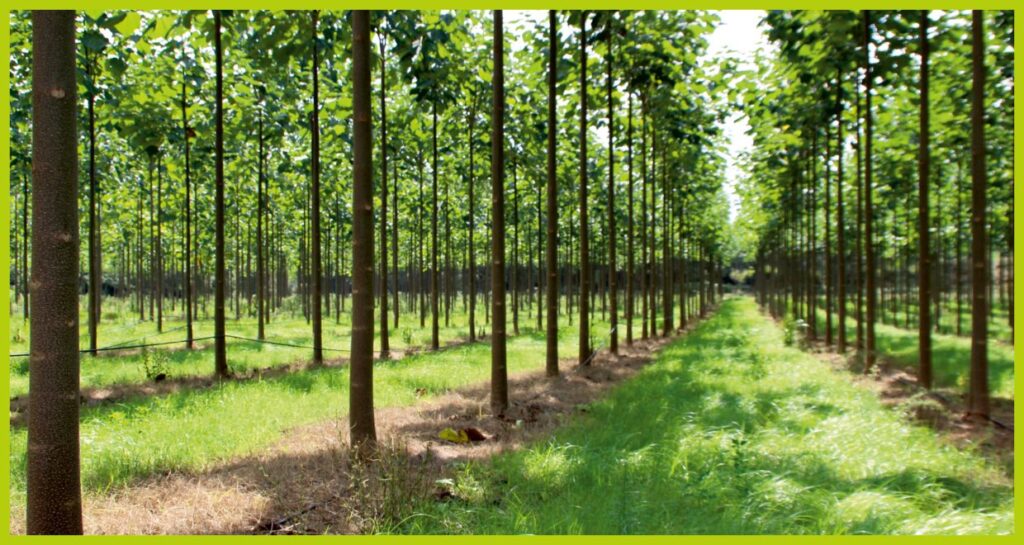
Reforestation has become a global priority as nations work to restore degraded landscapes and combat climate change. One effective solution lies in planting fast-growing trees. These species not only establish forests more quickly but also provide multiple ecological and economic benefits that make them essential for modern restoration strategies.
Speeding Up Forest Recovery
Traditional hardwoods often take decades to mature, which delays their ecological benefits. In contrast, fast-growing trees like Paulownia, eucalyptus, and acacia can reach harvestable size within a few years. Their rapid growth accelerates canopy formation, improves soil cover, and provides habitat for birds and insects much sooner than slow-growing species.
Soil Improvement and Water Retention
Another advantage of fast-growing trees is their ability to improve soil quality. Their roots stabilize the ground, reducing erosion in degraded areas. Leaf litter from these trees decomposes quickly, enriching the soil with organic matter. Some species also increase water retention in the soil, which supports healthier ecosystems and aids in the survival of other plants.
Supporting Local Livelihoods
Reforestation is most successful when communities benefit directly. Planting fast-growing trees gives farmers access to timber, fodder, and firewood within a short timeframe. This creates income opportunities while reducing dependence on unsustainable forest harvesting. In countries like Kenya, integrating Paulownia into community forestry projects has shown that reforestation can be both profitable and environmentally sound.
Carbon Sequestration Potential
Climate change mitigation is a major driver of reforestation programs. Fast-growing trees capture significant amounts of carbon dioxide during their rapid growth phase. By absorbing carbon faster than many slow-growing species, they help reduce greenhouse gas concentrations and contribute to national climate commitments under international agreements.
Balancing Biodiversity and Productivity
While fast-growing trees are excellent for quick gains, they work best when combined with native species in mixed-planting systems. This balance ensures biodiversity is preserved while reaping the economic and environmental benefits of rapid growth. Agroforestry models that integrate fast-growing species with crops or livestock provide an additional layer of resilience for farming families.
Final Thoughts
Fast-growing trees play a vital role in achieving reforestation goals. They restore degraded lands faster, improve soil health, create livelihoods, and capture more carbon in shorter cycles. When used strategically alongside native species, they can transform landscapes and communities while helping the planet heal.