Paulownia Wood: A Green Shield Against Soil Erosion
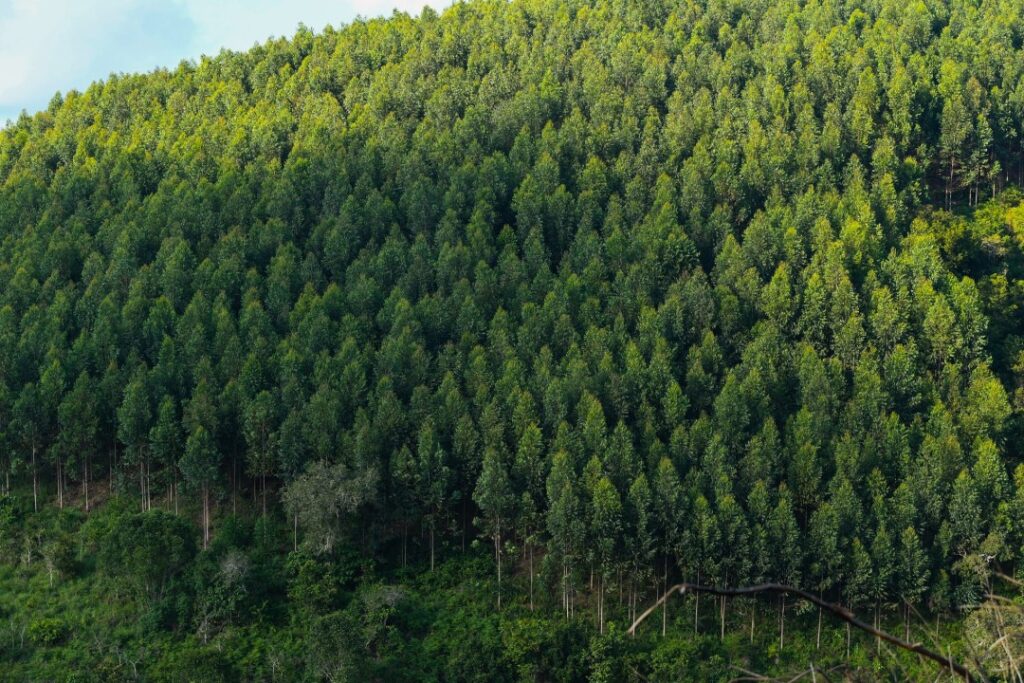
Soil erosion is one of the biggest challenges facing Africa today, threatening agricultural productivity, water quality, and ecosystem health. Fortunately, Paulownia wood offers a natural and effective solution. This fast-growing tree species not only provides valuable timber but also acts as a green shield, protecting soil from degradation and helping communities adopt sustainable land practices.
How Paulownia Trees Protect Soil
One of the main reasons Paulownia trees are effective against soil erosion is their extensive root system. These roots penetrate deep into the ground, anchoring soil and preventing it from being washed away during heavy rains. At the same time, the large canopy of Paulownia trees slows down raindrops as they hit the ground, reducing surface runoff and minimizing soil displacement. Over time, this natural protection improves soil fertility and structure, creating an environment where crops and native plants can thrive.
Environmental and Economic Benefits
Beyond soil protection, Paulownia wood brings multiple environmental advantages. The trees are excellent at carbon sequestration, absorbing significant amounts of CO₂ and helping mitigate climate change. Their roots also enhance water infiltration, allowing the soil to retain moisture, which is essential for surrounding vegetation. Additionally, Paulownia trees support biodiversity by providing food and shelter for insects, birds, and other wildlife.
From an economic perspective, Paulownia wood is highly valuable. It is lightweight, strong, and versatile, making it suitable for timber, furniture, and even bioenergy. Farmers who plant Paulownia can sustainably harvest the wood while simultaneously preserving the land, creating a model of eco-friendly agroforestry that benefits both people and the environment.
Integrating Paulownia into Land Management
Farmers and community planners can integrate Paulownia trees into agricultural landscapes, degraded lands, or even urban green spaces. By doing so, they not only combat soil erosion but also generate income from timber and other wood products. This combination of ecological and economic benefits makes Paulownia a powerful tool for sustainable development.
Final Thoughts
Paulownia wood is more than just a timber source—it is a natural guardian of Africa’s soils. By planting and managing these trees wisely, communities can reduce soil erosion, improve agricultural productivity, and support local ecosystems. Embracing Paulownia as part of land management strategies ensures that both the environment and livelihoods thrive for generations to come.