Innovative Uses of Paulownia Leaves in Animal Feed
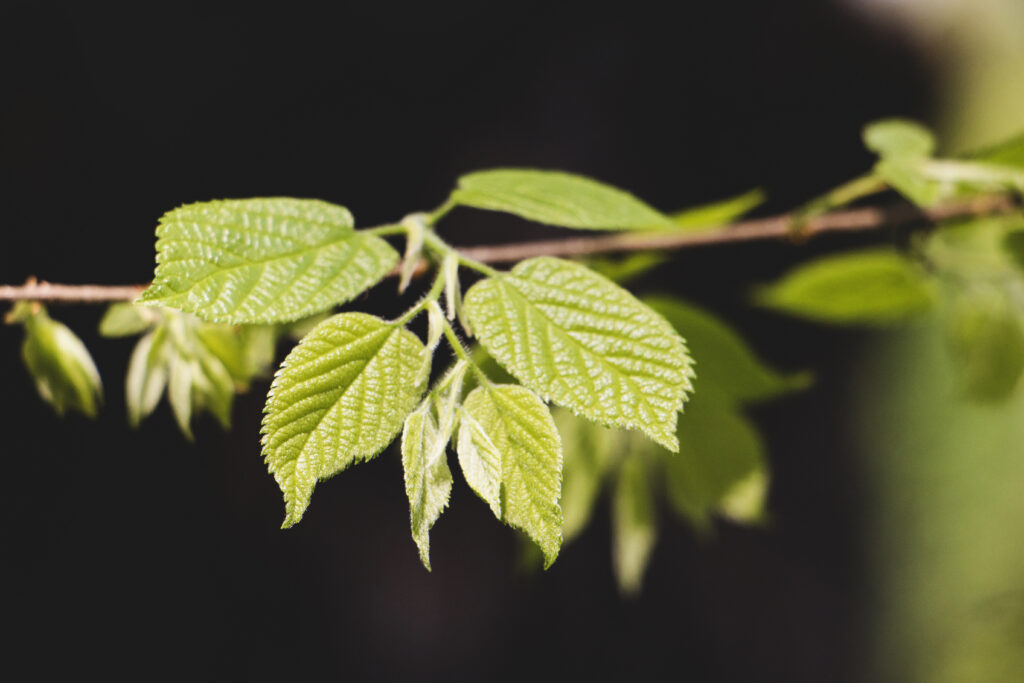
The search for sustainable, nutritious, and cost-effective animal feed has led farmers to explore alternative resources. One promising solution is Paulownia leaves, which are gaining attention for their high protein content and digestibility. Integrating Paulownia leaves into animal diets not only improves livestock health but also promotes eco-friendly farming practices.
Nutritional Benefits of Paulownia Leaves
Paulownia leaves are rich in proteins, amino acids, and essential minerals, making them an excellent supplement for livestock. They can be fed fresh, dried, or processed into pellets, providing versatile options for farmers. Research has shown that animals consuming Paulownia leaves exhibit improved weight gain, enhanced milk production, and better overall health compared to conventional feed alone.
Innovative Feeding Methods
Farmers are discovering multiple ways to incorporate Paulownia leaves into animal diets:
-
Direct feeding: Fresh leaves can be added to daily rations for cattle, goats, and sheep.
-
Silage production: Leaves can be fermented with other crop residues to create nutrient-rich silage.
-
Pelletized feed: Processing leaves into pellets improves storage, handling, and palatability for livestock.
These innovative approaches allow farmers to reduce reliance on expensive commercial feeds while maintaining optimal livestock nutrition.
Environmental and Economic Advantages
Using Paulownia leaves in animal feed also has environmental benefits. The tree grows rapidly, requiring minimal fertilizers and water, making it a sustainable resource. By integrating leaves into feed, farmers reduce waste from pruning while lowering the carbon footprint of livestock farming. Economically, replacing part of conventional feed with Paulownia leaves reduces costs and improves farm profitability.
Promoting Sustainable Farming Practices
Beyond nutrition and cost savings, incorporating Paulownia leaves into animal feed encourages sustainable farming. Farmers can combine tree cultivation with livestock management, creating integrated agroforestry systems that enhance biodiversity, improve soil quality, and increase farm resilience. Educational programs and community workshops are helping farmers adopt these practices on a larger scale.
Final Thoughts
The innovative use of Paulownia leaves in animal feed represents a win-win solution for sustainable agriculture. It boosts livestock nutrition, reduces feeding costs, and supports environmentally friendly farming practices. As more farmers adopt this approach, Paulownia leaves could become a key resource in building resilient, sustainable, and profitable livestock systems across Africa.