Long Term Value: Comparing Paulownia to Traditional Cash Crops
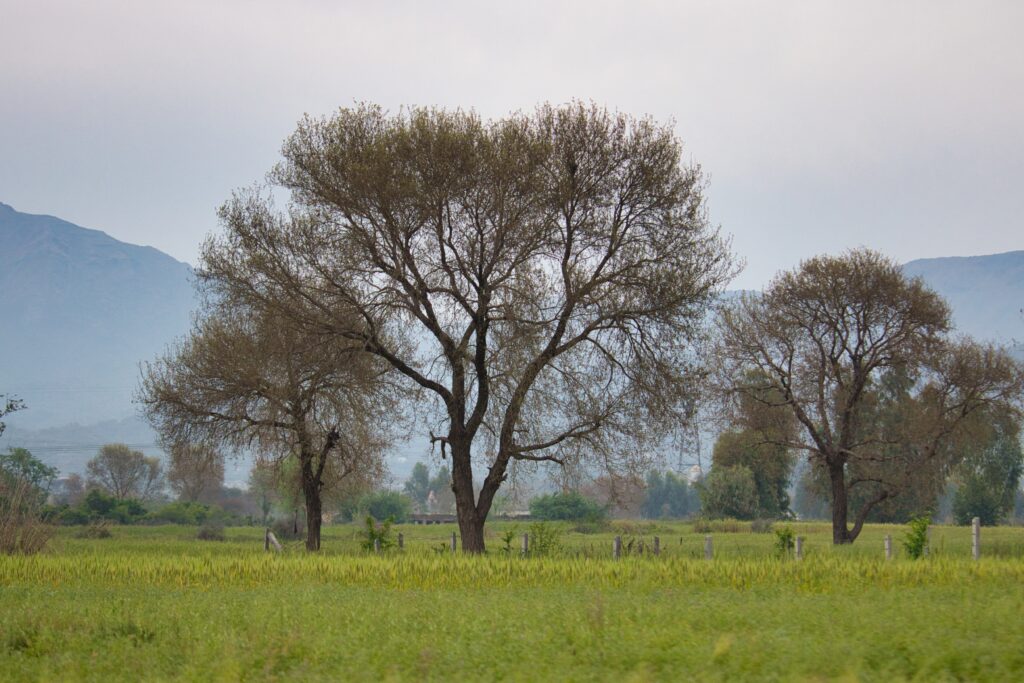
Kenyan farmers have long relied on traditional cash crops such as coffee, tea, and maize for income. However, the long-term value of Paulownia is changing the investment landscape in agriculture. With its rapid growth, multiple uses, and environmental benefits, Paulownia offers a sustainable alternative to traditional crops while providing competitive financial returns.
Growth Cycles and Returns
One major advantage of Paulownia is its short rotation cycle. Farmers can harvest timber within five to seven years, compared to decades for many hardwoods. Traditional cash crops often require long-term care with unpredictable market prices. In contrast, Paulownia offers more predictable timelines for investment recovery, making it appealing for both smallholders and commercial investors.
Diversified Revenue Streams
Paulownia is not limited to timber. Its leaves can be used as high-protein animal fodder, flowers support beekeeping, and even its bark has industrial applications. This diversification reduces the risk of depending on a single crop. Traditional cash crops usually have one primary revenue source, leaving farmers vulnerable to market fluctuations or climate impacts. By cultivating Paulownia, farmers can hedge against uncertainty while maximizing land productivity.
Environmental and Policy Benefits
Beyond financial returns, Paulownia contributes to soil conservation, carbon sequestration, and reforestation. These environmental benefits align with Kenya’s climate-smart agriculture policies. Farmers growing traditional crops often face soil degradation, pests, and erratic rainfall, which can reduce yields. Integrating Paulownia into farming systems enhances resilience and meets both ecological and policy-driven objectives.
Risk Management and Market Opportunities
Investing in Paulownia also offers access to emerging global markets. Sustainable timber is increasingly in demand in Asia, Europe, and North America. Smallholder farmers and cooperatives can collaborate to meet quality standards and export requirements. Traditional crops may not offer the same level of export-ready opportunities, leaving Paulownia as a high-potential, low-risk forestry investment for the long term.
Final Thoughts
The long-term value of Paulownia is evident when comparing it to traditional cash crops. It provides faster returns, diversified income, environmental benefits, and access to global markets. For Kenyan farmers and investors, incorporating Paulownia into their land-use strategy is not just a financial decision—it is a step toward sustainable, climate-smart agriculture that balances profit with ecological responsibility.