The Science of Paulownia Intercropping with Maize and Beans
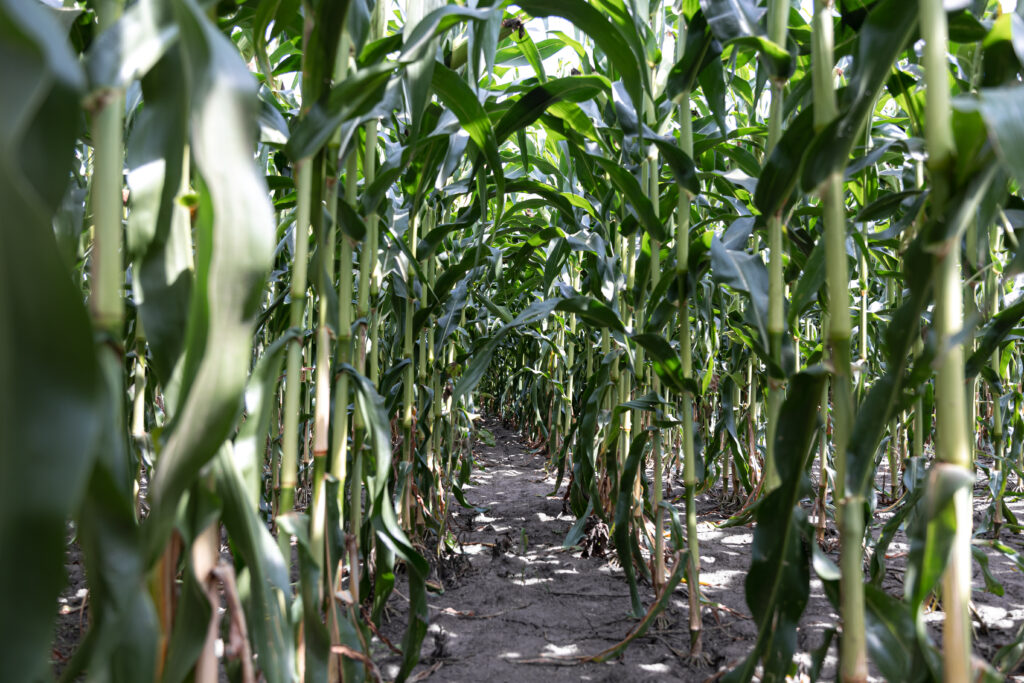
Intercropping, the practice of growing multiple crops together, has long been used by farmers in Kenya to maximize land productivity. In recent years, Paulownia has gained attention as a promising companion tree for intercrops such as maize and beans. Its rapid growth, deep roots, and soil-enhancing properties make it ideal for integration into smallholder farms. Understanding the science behind Paulownia intercropping with maize and beans helps explain why this model is both practical and sustainable.
Why Paulownia Works in Intercropping Systems
Paulownia is uniquely suited for intercropping because of its growth habits. Its deep taproot system allows it to access water and nutrients from lower soil layers without directly competing with shallow-rooted crops like maize and beans. Additionally, the tree grows quickly and forms a canopy high above the ground, providing filtered shade that reduces soil moisture loss without depriving crops of sunlight.
Benefits for Maize and Beans
When intercropped with Paulownia, maize and beans experience several agronomic benefits. The leaf litter from Paulownia enriches the soil with organic matter, improving fertility and water retention. Studies have shown that beans in particular thrive under moderate shade, where soil temperature is cooler and nitrogen fixation is enhanced. Maize, though more light-demanding, can still perform well when tree spacing is managed effectively. Together, these benefits boost overall yields compared to monocropping systems.
Environmental Advantages of Intercropping
Paulownia intercropping not only supports food crops but also enhances environmental sustainability. The tree’s fast growth sequesters carbon at higher rates than many traditional species, while its roots stabilize soil against erosion. The combined effect of trees and crops creates a more resilient farming system, especially in regions prone to drought. Farmers also benefit from reduced need for chemical fertilizers due to improved soil quality, lowering production costs while protecting ecosystems.
Economic Opportunities for Farmers
Intercropping with Paulownia diversifies farm income. Farmers can harvest maize and beans for food and market while also cultivating Paulownia for timber, animal fodder, or even bioenergy. This dual approach reduces risk, ensuring that even if one crop underperforms, farmers still have another source of revenue. In the long term, Paulownia timber sales can significantly boost household income, turning smallholder farms into sustainable enterprises.
Final Thoughts
The science of Paulownia intercropping with maize and beans shows how farmers can combine food security, soil restoration, and income generation in one system. By integrating Paulownia into Kenyan farms, smallholders gain a sustainable model that strengthens resilience against climate change while unlocking long-term economic value.