The Root System of Paulownia: Why It Thrives in Dry Soils
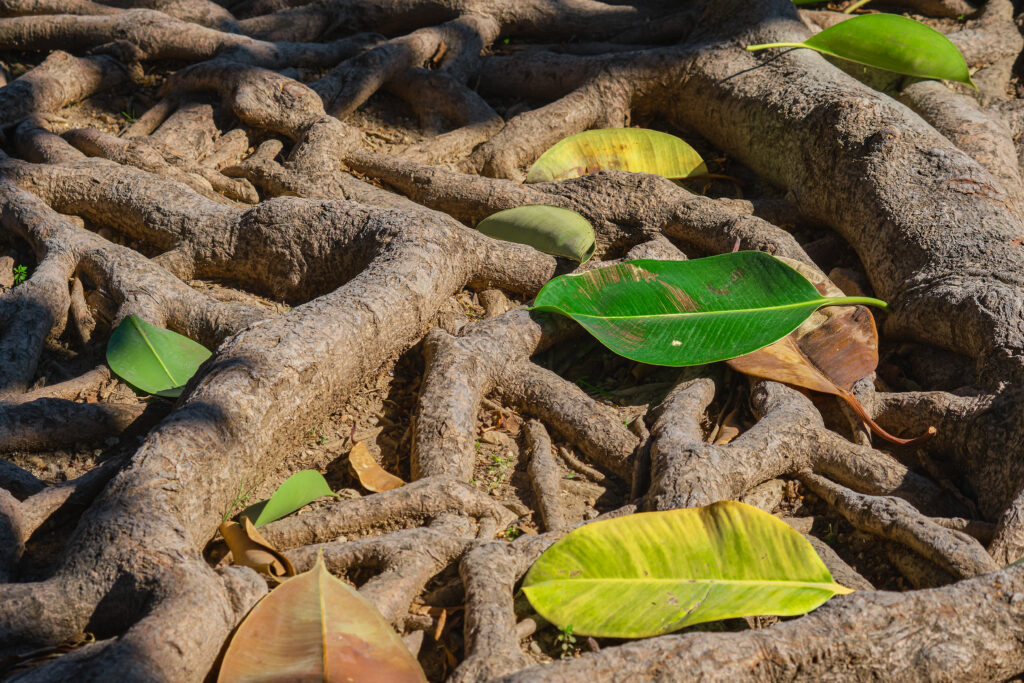
Paulownia trees are known for fast growth, lightweight timber, and ecological benefits. A key reason they succeed where other trees fail is their Paulownia root system in dry soils. This unique adaptation enables them to withstand harsh climates, making them valuable for farming, forestry, and land restoration.
Understanding the Paulownia Root System in Dry Soils
The Paulownia root system develops both a deep taproot and wide lateral roots. The taproot penetrates deep into the ground, often reaching hidden water reserves. At the same time, lateral roots spread broadly, ensuring maximum nutrient absorption near the surface. This root architecture is what allows the tree to perform so well in dry soils.
Water Efficiency of the Paulownia Root System
A major strength of the Paulownia root system in dry soils is water efficiency. The taproot provides access to underground moisture, reducing dependency on rainfall. Even in prolonged droughts, Paulownia remains resilient. This makes it ideal for semi-arid regions where it can provide timber, shade, and erosion control without competing heavily with crops for limited water.
Soil Health and Erosion Prevention
The Paulownia root system also protects the land itself. Its lateral roots anchor the soil, minimizing erosion in vulnerable landscapes. These roots improve soil structure by creating pathways for air and water infiltration, enhancing fertility over time. This makes dry soils more productive, benefiting both the tree and surrounding crops.
Role in Agroforestry and Land Restoration
Because the trees’ root system thrives in dry soils, it is increasingly used in agroforestry and reforestation. Farmers and environmentalists value its ability to restore degraded land and reduce desert encroachment. By improving soil conditions, Paulownia supports healthier ecosystems while producing fast-growing timber.
Final Thoughts
The Paulownia root system in dry soils is a key reason behind the tree’s resilience and versatility. With its deep taproot and strong lateral roots, it not only ensures survival in drought-prone regions but also promotes soil health and sustainability. For farmers, foresters, and conservationists, Paulownia is a smart choice for building climate resilience.