Linking Schools and Communities through Paulownia Projects
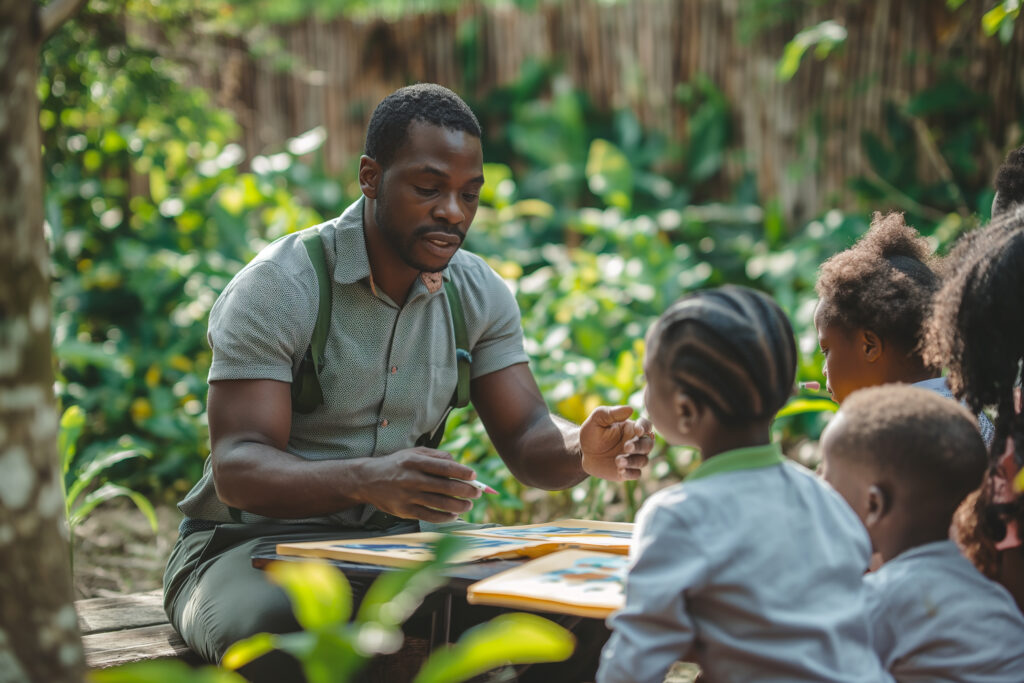
Educational institutions are increasingly recognizing their role in shaping not only the minds of future generations but also the sustainability of local ecosystems. One innovative approach has been the integration of Paulownia projects into school and community partnerships. By linking schools and communities through Paulownia projects, the benefits extend beyond environmental gains, touching education, livelihoods, and social cohesion.
Why Linking Schools and Communities Through Paulownia Matters
Schools serve as centers of learning and demonstration. When they integrate Paulownia projects into their programs, students gain practical environmental education while communities see tangible benefits such as cleaner air, soil restoration, and access to fast-growing timber. This collaboration strengthens trust and builds a shared vision of sustainable development.
Educational Benefits of Paulownia Projects
Planting Paulownia trees in school compounds provides hands-on lessons in agroforestry, climate change, and sustainable farming. Students not only learn theory but also gain practical skills that prepare them for future opportunities in green industries. Schools can also use the leaves as organic mulch or fodder, teaching students how trees support farming systems.
Community Development and Shared Benefits
Linking schools and communities through Paulownia projects creates joint ownership. Communities can benefit from timber revenues, intercrop farming, and carbon credit opportunities. Parents and local leaders often engage in tree maintenance, fostering stronger ties between schools and their neighborhoods. This shared responsibility enhances sustainability by ensuring that trees survive and thrive beyond the initial planting stage.
Building Green Enterprises Together
The partnership model also opens doors for small enterprises. Women’s groups and youth organizations can process Paulownia timber into furniture or eco-friendly products, using schools as demonstration hubs. This not only provides income but also reinforces the message of sustainable economic growth rooted in local collaboration.
Final Thoughts
By linking schools and communities through Paulownia projects, Kenya and other regions can simultaneously advance environmental education, strengthen local economies, and foster unity. The fast-growing Paulownia tree is more than a classroom lesson—it is a bridge between knowledge, livelihood, and sustainable futures.