Paulownia Leaves as Natural Fertilizer: Boosting Soil Health
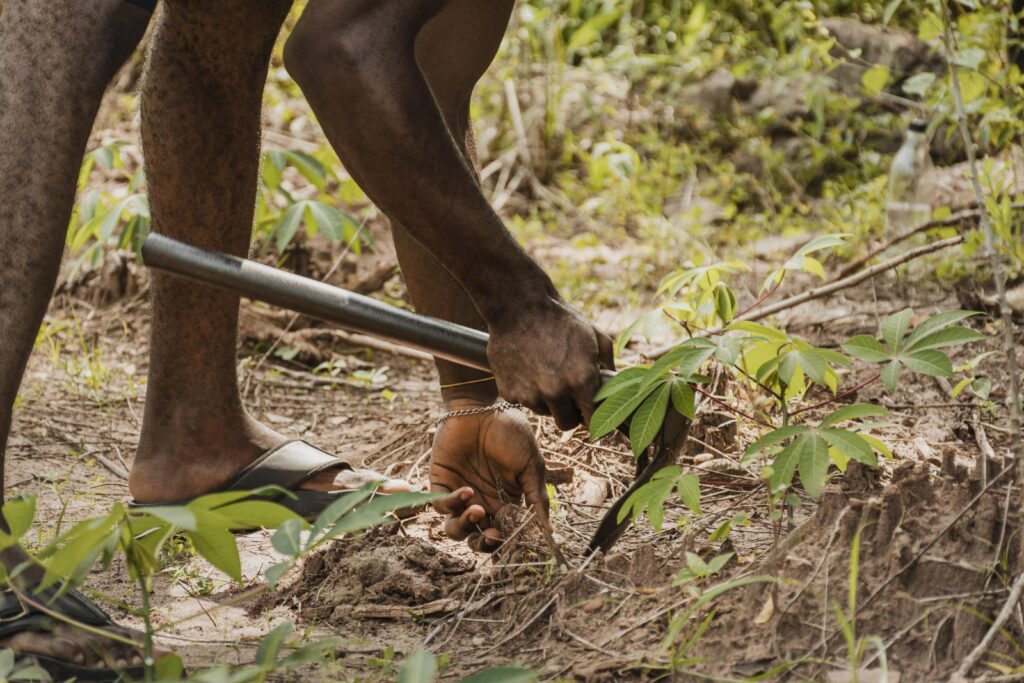
In sustainable farming systems, soil health is the foundation of productivity. Farmers across Africa are exploring organic alternatives to chemical inputs, and Paulownia leaves are emerging as a powerful natural fertilizer. Rich in nutrients and fast to decompose, these leaves play a vital role in boosting soil fertility while reducing reliance on costly synthetic products.
Nutrient-Rich Composition of Paulownia Leaves
Paulownia leaves are large, broad, and packed with essential nutrients like nitrogen, phosphorus, potassium, and calcium. When incorporated into the soil as mulch or compost, they release these nutrients gradually, improving soil structure and fertility. Unlike synthetic fertilizers, which can leach away quickly, Paulownia leaves provide a slow and steady supply of organic matter.
Improving Soil Health and Microbial Activity
Beyond nutrients, Paulownia leaves enhance the biological life of soil. Their decomposition supports microbial activity, encouraging the growth of beneficial bacteria and fungi. This activity improves soil aeration, moisture retention, and root development, creating an environment where crops thrive. Farmers using Paulownia leaf compost often report healthier plants and higher yields.
Eco-Friendly Alternative to Chemical Fertilizers
Chemical fertilizers are expensive and can degrade soil health over time. Paulownia leaves, however, offer a renewable, eco-friendly alternative. By recycling biomass directly from the farm, farmers reduce input costs and promote sustainable land management. This makes Paulownia particularly valuable for smallholder farmers seeking affordable ways to improve productivity.
Integrating Paulownia Leaves into Agroforestry Systems
Paulownia trees, often grown in agroforestry systems, provide dual benefits: timber and natural fertilizer. Farmers can collect fallen leaves seasonally, compost them, or apply them as green manure. When combined with crop rotation or intercropping, Paulownia leaves help maintain long-term soil fertility and reduce dependency on external inputs.
Final Thoughts
Paulownia leaves as natural fertilizer are more than just organic matter—they are a solution for healthier soils, sustainable farming, and resilient food systems. By integrating Paulownia into agroforestry practices, farmers unlock a renewable cycle of productivity that benefits both the land and their livelihoods.