How Paulownia Farmer Cooperatives Strengthen Rural Economies
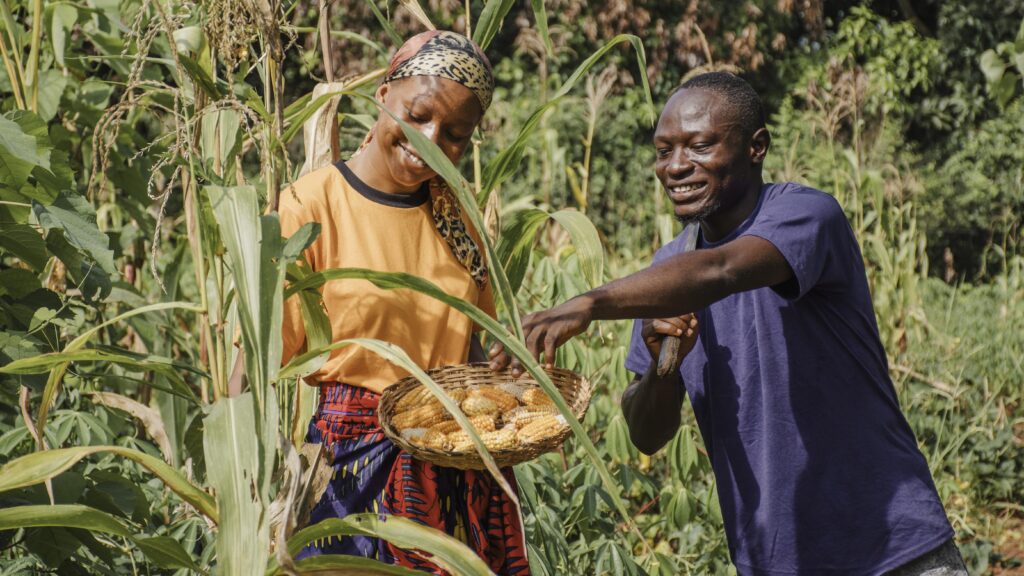
Paulownia farmer cooperatives are emerging as a powerful driver of rural economic growth. By uniting smallholder farmers under one umbrella, these groups create stronger bargaining power, improve access to markets, and promote sustainable forestry practices that benefit both communities and the environment.
The Economic Benefits of Paulownia Farmer Cooperatives
One of the key strengths of Paulownia farmer cooperatives lies in their ability to pool resources. Farmers working individually often face challenges in accessing credit, acquiring high-quality seedlings, and finding reliable buyers for their timber. Through cooperatives, members can purchase inputs collectively, negotiate better prices, and secure financing more easily. This reduces costs and increases profitability.
Market Access and Value Addition
Paulownia timber is highly valued for its lightweight yet durable properties, making it ideal for furniture, construction, and eco-friendly packaging. Cooperatives can establish processing units that add value locally, creating more jobs within rural communities. By branding their products collectively, farmers can also penetrate new domestic and international markets, ensuring higher returns.
Strengthening Rural Communities
Beyond economic benefits, Paulownia farmer cooperatives foster social cohesion. Members share knowledge on sustainable land management, climate adaptation, and agroforestry integration. Training programs within cooperatives also empower women and youth, who often face barriers in accessing land or market opportunities. This inclusivity enhances household income and reduces rural poverty.
Resilience and Climate-Smart Growth
Paulownia trees grow rapidly and sequester carbon effectively, aligning cooperative projects with climate-smart initiatives. When organized into cooperatives, farmers can participate in carbon credit markets, earning additional income for sustainable practices. This not only strengthens rural economies but also supports global climate goals.
Final Thoughts
Paulownia farmer cooperatives are more than just economic alliances; they are vehicles for transformation in rural areas. By combining resources, knowledge, and collective action, these cooperatives open new pathways for farmers to thrive, strengthen their communities, and contribute to a greener, more resilient future.