Empowering Women Farmers through Paulownia’s Cultivation
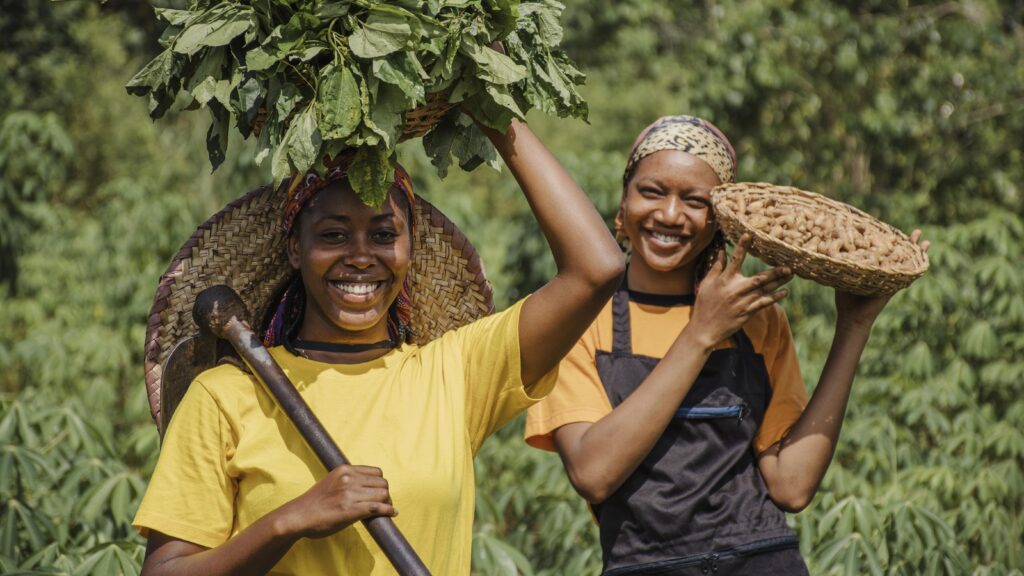
Empowering women farmers through Paulownia cultivation is more than an agricultural initiative—it is a pathway to inclusive growth, sustainable forestry, and stronger communities. As women play vital roles in rural economies, access to high-value crops like Paulownia helps bridge gender gaps in income, resources, and decision-making.
Expanding Economic Opportunities
Paulownia cultivation provides women with access to a crop that grows quickly and delivers valuable timber within a decade. Compared to traditional cash crops that may offer limited returns, Paulownia’s timber and by-products can generate steady income. For women farmers, this creates opportunities for financial independence and improved household stability.
Reducing Barriers to Participation
In many rural areas, women face challenges in accessing land, capital, and technical training. Paulownia’s adaptability to different soils and climates lowers some of these barriers. Its ability to regenerate after harvest also reduces replanting costs. Through cooperatives and training programs, women can overcome systemic hurdles and gain equal footing in forestry ventures.
Strengthening Community Roles
When women are empowered through Paulownia cultivation, entire communities benefit. Women reinvest a significant share of their income into education, health, and family welfare. By leading in Paulownia planting and management, they also inspire wider participation in sustainable forestry. This strengthens community resilience while ensuring long-term land stewardship.
Linking to Value Chains
Beyond planting, women farmers can engage in value-added activities such as furniture making, plywood processing, or biomass fuel production. Participation in these value chains not only boosts incomes but also builds entrepreneurial skills. With training and cooperative support, women can transition from small-scale growers to leaders in the Paulownia timber economy.
Environmental and Social Impact
Paulownia cultivation also supports environmental restoration, which directly benefits women who rely on natural resources for daily needs. By improving soil fertility, conserving water, and capturing carbon, Paulownia trees reduce the strain on degraded landscapes. This ensures that women farmers safeguard both their livelihoods and the environment for future generations.
Final Thoughts
Empowering women farmers through Paulownia cultivation strengthens both local economies and community well-being. By opening doors to income, leadership, and sustainability, Paulownia becomes more than a tree—it becomes a catalyst for gender equality and rural development. Supporting women in this journey ensures lasting benefits for families, communities, and the environment.