Paulownia Innovation: Listening to Farmers for Lasting Change
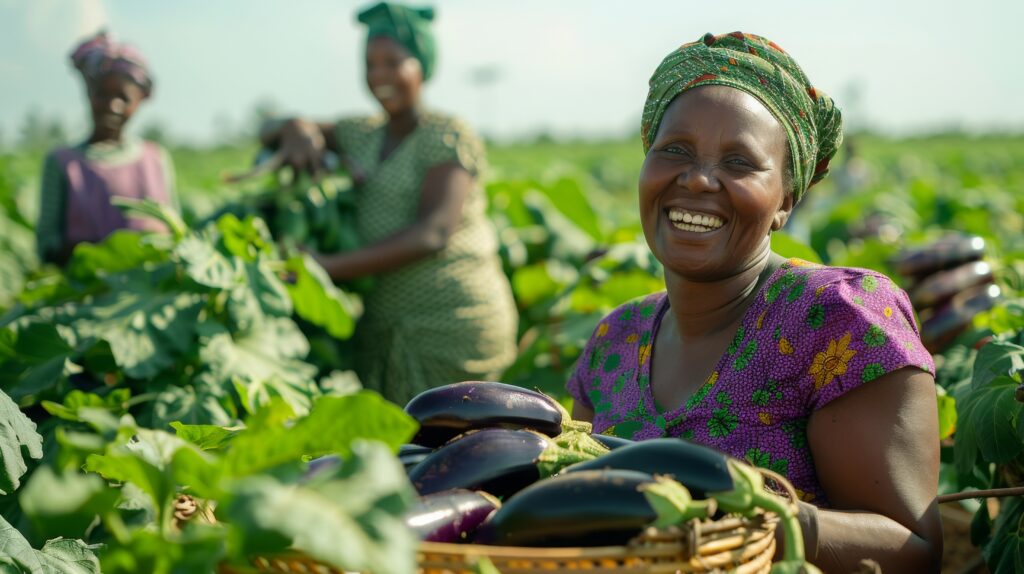
Paulownia innovation is strongest when it is rooted in farmer feedback. Farmers interact with the trees daily, observing growth patterns, soil responses, and market challenges. Their experiences make innovation practical and ensure that changes benefit communities as well as investors.
Why Farmer Feedback Drives Paulownia Innovation
Farmers know the land better than anyone. They see how Paulownia adapts to different soils, rainfall patterns, and farming systems. When their observations are shared with researchers, solutions become more relevant and easier to adopt. This collaboration keeps Paulownia innovation grounded in reality instead of theory.
Improving Cultivation Practices Through Experience
From spacing and pruning to seedling care, farmer insights have led to meaningful improvements in Paulownia management. For example, farmers in dry regions suggested methods for reducing water use, which inspired trials with drought-tolerant strains. These real-world inputs make Paulownia cultivation more efficient and sustainable.
Strengthening Market Opportunities
Paulownia innovation does not end in the field. Farmers also provide valuable information about timber demand, furniture preferences, and export barriers. Their voices help guide cooperatives, buyers, and investors toward better pricing, stronger logistics, and more reliable market connections. By listening to farmers, the entire Paulownia value chain becomes more resilient.
Collaboration for Future Growth
Innovation thrives where partnerships exist. Farmers, researchers, and forestry investors each play a role in testing, refining, and expanding practices. When farmer feedback shapes decisions, Paulownia cultivation grows into an industry that balances profit, sustainability, and community well-being.
Final Thoughts
Paulownia innovation is not just about technology or new methods—it is about listening. By valuing farmer feedback, the industry ensures growth that is both practical and sustainable. This approach strengthens communities, boosts market opportunities, and secures the long-term future of Paulownia forestry.