Paulownia Cultivation Support and Feedback
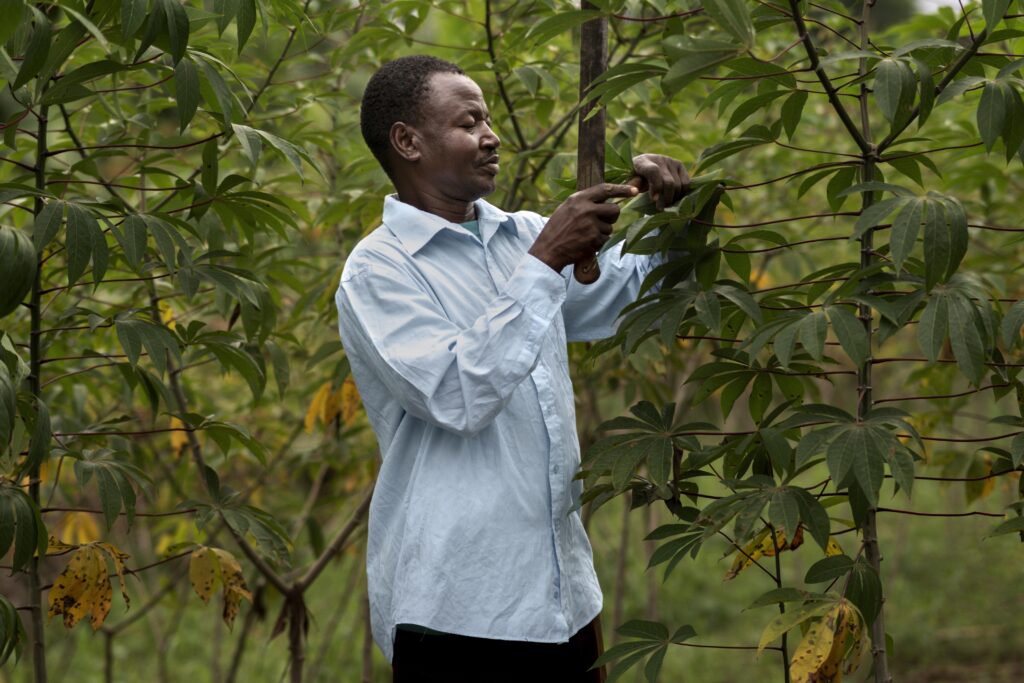
Paulownia trees are gaining global recognition for their rapid growth, durable timber, and environmental value. Yet planting alone does not guarantee success. Farmers often face soil challenges, water stress, and pest risks. Paulownia cultivation support and feedback ensure these challenges are addressed, helping farmers improve practices and achieve reliable outcomes.
Listening to Farmer Feedback
Every farmer’s experience offers valuable lessons. From soil suitability to growth rates, feedback highlights the realities on the ground. When researchers and cooperatives take time to listen, they can develop solutions that match farmer needs. Listening to farmer feedback also builds trust, creating a culture of collaboration rather than top-down instruction.
Providing Practical Support for Farmers
Practical support is essential in Paulownia cultivation. Training programs, extension officers, and responsive service channels give growers the confidence to manage their plantations effectively. For example, when farmers learn proper pruning techniques, they improve timber quality and reduce disease risks. Similarly, guidance on irrigation systems helps them manage water use in drier areas. Support equips farmers with the tools to protect their investment.
Turning Feedback Into Innovation
Feedback acts as a driver for innovation. Farmers regularly test new planting techniques or soil treatments, and their insights can shape industry-wide improvements. If many growers report strong results from a specific fertilizer mix, that knowledge can inform broader recommendations. In this way, farmer feedback does not just solve individual problems—it sparks new approaches to Paulownia cultivation.
Strengthening Farmer Partnerships
Support and feedback also reinforce long-term partnerships. Farmers who feel supported are more likely to participate in cooperatives and collaborate with investors. These partnerships make it easier to coordinate supply, meet quality standards, and access better markets. Strong partnerships built on trust and responsiveness are the backbone of sustainable Paulownia forestry.
Final Thoughts
Paulownia cultivation support and feedback go hand in hand with long-term success. By listening to farmers, offering timely support, and acting on feedback, the industry builds resilience and ensures higher yields. Farmers benefit from stronger guidance, while cooperatives and investors gain reliable production. In the end, collaboration and service create a thriving Paulownia sector that benefits all stakeholders.