Paulownia Agroforestry: Boosting Yields with Farmer Knowledge
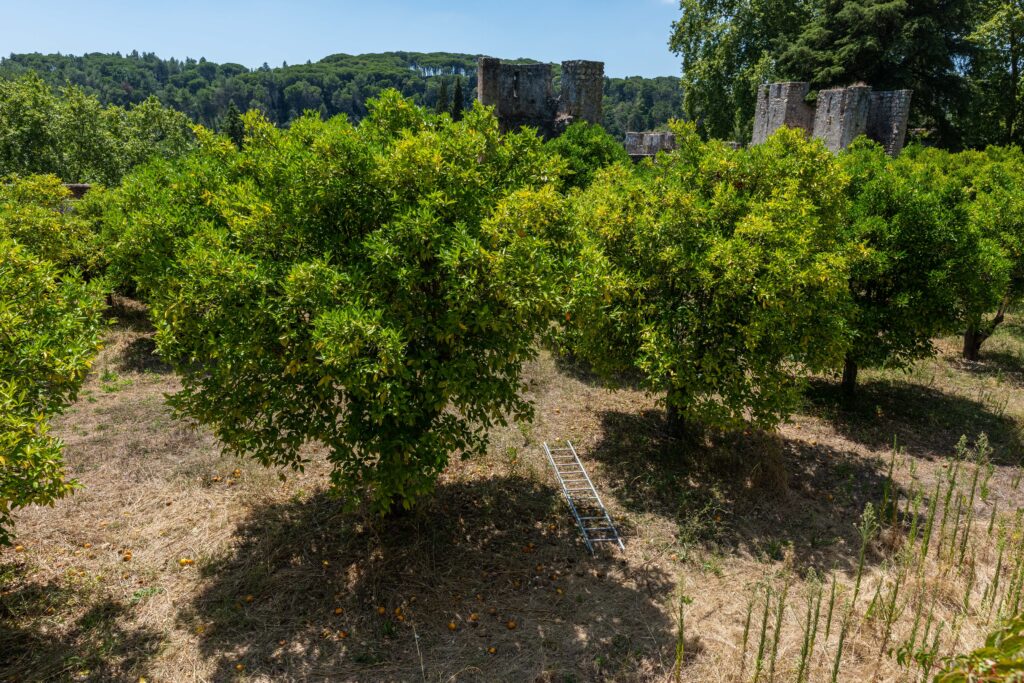
Applying farmer knowledge to boost Paulownia agroforestry yields is a proven way to bridge traditional wisdom with modern research. Farmers often have hands-on experience with soil, water, and seasonal patterns, which makes their contributions essential in maximizing Paulownia tree productivity.
The Role of Farmer Knowledge in Paulownia Agroforestry
Farmers have long relied on observation and practice to understand how crops and trees interact. In the case of Paulownia agroforestry, their insights help determine the best planting techniques, watering cycles, and intercropping strategies. For example, knowing which crops thrive under Paulownia’s broad leaves can increase land efficiency while maintaining soil fertility. By combining this knowledge with research-based approaches, communities can unlock higher yields and long-term sustainability.
Research Collaboration for Better Yields
Agricultural researchers play a crucial role in documenting and validating farmer practices. When farmers share their knowledge of Paulownia tree growth, researchers can test these techniques, refine them, and introduce innovations. This collaboration ensures that yield improvements are not only effective but also scalable. Together, farmer knowledge and agroforestry research create practical, field-tested strategies that enhance productivity while protecting the environment.
Benefits of Farmer Knowledge in Paulownia Agroforestry
Applying farmer knowledge to Paulownia agroforestry yields brings multiple benefits:
-
Higher Productivity: Farmers’ practical methods, such as adjusting spacing or pruning, directly increase yields.
-
Resilience to Climate Change: Local wisdom helps adapt Paulownia trees to shifting weather conditions.
-
Sustainable Soil Management: Knowledge of composting, mulching, and intercropping reduces soil degradation.
-
Community Empowerment: Recognizing farmer expertise builds trust and encourages adoption of agroforestry systems.
Final Thoughts: A Knowledge Partnership for the Future
Applying farmer knowledge to boost Paulownia agroforestry yields highlights the importance of collaboration between farmers and researchers. By valuing both traditional experience and scientific innovation, communities can achieve sustainable productivity, healthier ecosystems, and stronger livelihoods. Paulownia trees not only provide environmental benefits but also open doors for farmers to lead in shaping a greener future.