Paulownia Forestry Practices for Community Engagement
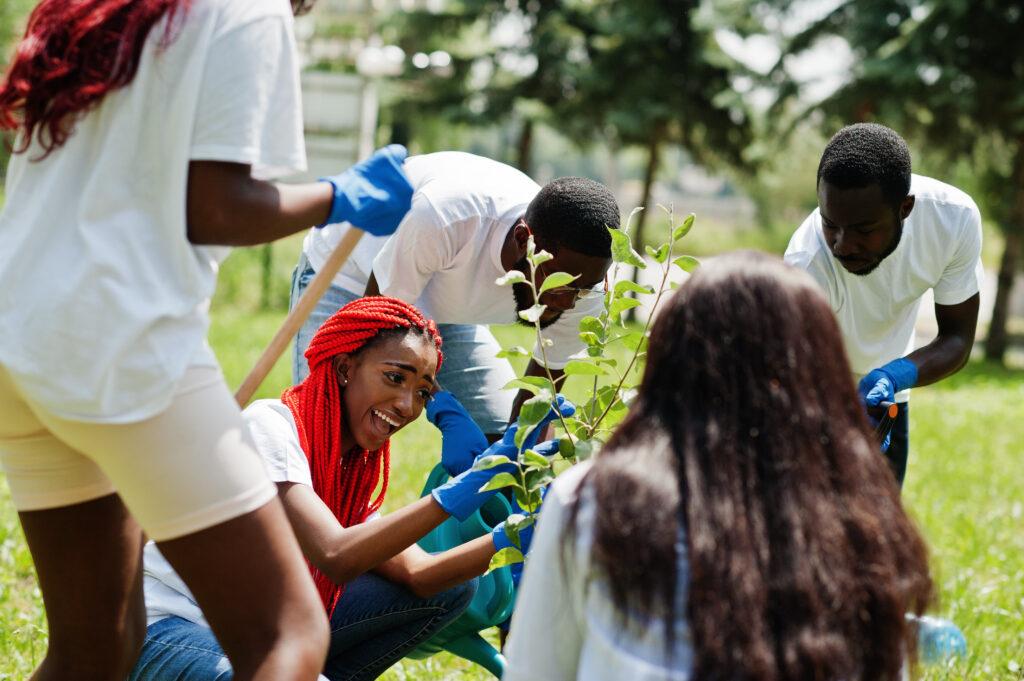
Responsive Paulownia forestry practices are becoming central to sustainable environmental management. Communities benefit directly when forestry initiatives focus on both ecological balance and people’s needs. By aligning forestry practices with local feedback, Paulownia plantations can deliver environmental, social, and economic gains while ensuring communities remain actively engaged.
Why Responsive Paulownia Forestry Matters
Responsive Paulownia forestry practices allow communities to see real progress in restoration, shade provision, and local climate improvement. Unlike one-size-fits-all methods, Paulownia cultivation can be adapted to fit specific landscapes, rainfall levels, and soil conditions. This flexibility strengthens community trust in forestry projects and fosters long-term collaboration.
Linking Environmental Benefits to Community Service
Paulownia trees grow quickly, absorb large amounts of carbon, and improve soil fertility. When these environmental benefits are communicated clearly and tied to community needs, residents recognize their role in sustaining forestry programs. For example, local farmers benefit from improved soil quality, while communities enjoy better air quality and cooler microclimates.
The Role of Feedback in Paulownia Forestry
Community feedback is critical to making forestry programs effective. By listening to farmer and resident input, forestry managers can adjust planting schedules, ensure access to timber resources, and introduce agroforestry models that provide food alongside Paulownia cultivation. These responsive practices create a sense of ownership and make forestry a shared responsibility.
Building Trust Through Sustainable Practices
Responsive Paulownia forestry is not only about planting trees but also about service. Training sessions, open communication, and transparent reporting ensure that communities understand the progress being made. This service-oriented approach builds trust, making Paulownia projects stronger and more sustainable in the long run.
Final Thoughts
Responsive Paulownia forestry practices strengthen community engagement by combining environmental restoration with genuine service. When local voices are valued, communities become active partners in sustainability, ensuring Paulownia continues to thrive as a solution for climate resilience and improved livelihoods.