What Research Tells Us About Paulownia in Kenyan Agroforestry
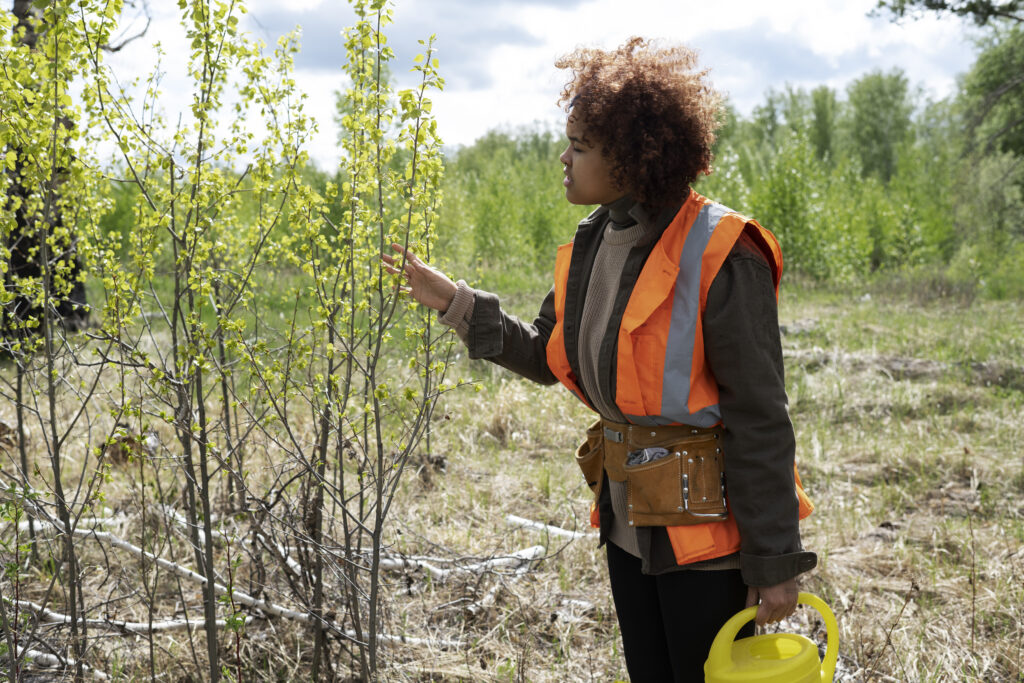
Agroforestry is gaining attention in Kenya as farmers look for ways to balance productivity with sustainability. Among the many tree species considered, Paulownia stands out for its rapid growth, light but strong timber, and ability to improve land quality. What research tells us about Paulownia in Kenyan agroforestry is that it offers both environmental and economic opportunities for smallholder farmers and investors.
Research on Paulownia Growth
Studies show that Paulownia is one of the fastest-growing hardwood trees in the world. In suitable Kenyan conditions, it can mature in less than 10 years. Its deep roots allow it to access water without competing heavily with nearby crops, making it ideal for agroforestry systems. Research also indicates that Paulownia regenerates after harvesting, reducing the cost of replanting and ensuring continuous production.
Paulownia and Soil Health
Soil fertility is a common challenge for Kenyan farmers. Research into Paulownia in agroforestry reveals that its broad leaves decompose quickly, enriching the soil with organic matter. This natural process improves soil structure, enhances water retention, and supports healthier crop yields when intercropped with maize, beans, or other staples.
Carbon Sequestration Benefits
Another important finding from research on Paulownia in Kenyan agroforestry is its role in carbon sequestration. Paulownia absorbs large amounts of carbon dioxide, contributing to climate change mitigation. For farmers, this offers potential access to carbon credit markets, opening additional income streams while improving environmental resilience.
Economic Insights from Studies
From an investment perspective, research highlights Paulownia’s strong timber value. Its wood is lightweight yet durable, making it suitable for furniture, crafts, and even construction materials. Kenyan farmers engaged in agroforestry systems can benefit not only from crop sales but also from high-value timber harvests, ensuring diversified income sources.
Challenges Identified by Research
While Paulownia offers significant promise, research also points to challenges. The tree thrives best in well-drained soils with moderate rainfall, so site selection is critical. Additionally, as Paulownia is still relatively new in Kenya, farmers may require training and support to optimize its growth and market potential.
Final Thoughts
What research tells us about Paulownia in Kenyan agroforestry is clear: it combines fast growth, soil enrichment, carbon capture, and economic opportunity. With the right support and partnerships, Paulownia could transform Kenya’s agricultural landscapes, offering farmers a sustainable path to improved livelihoods and climate resilience.