Paulownia and Soil Restoration: Healing Degraded Lands
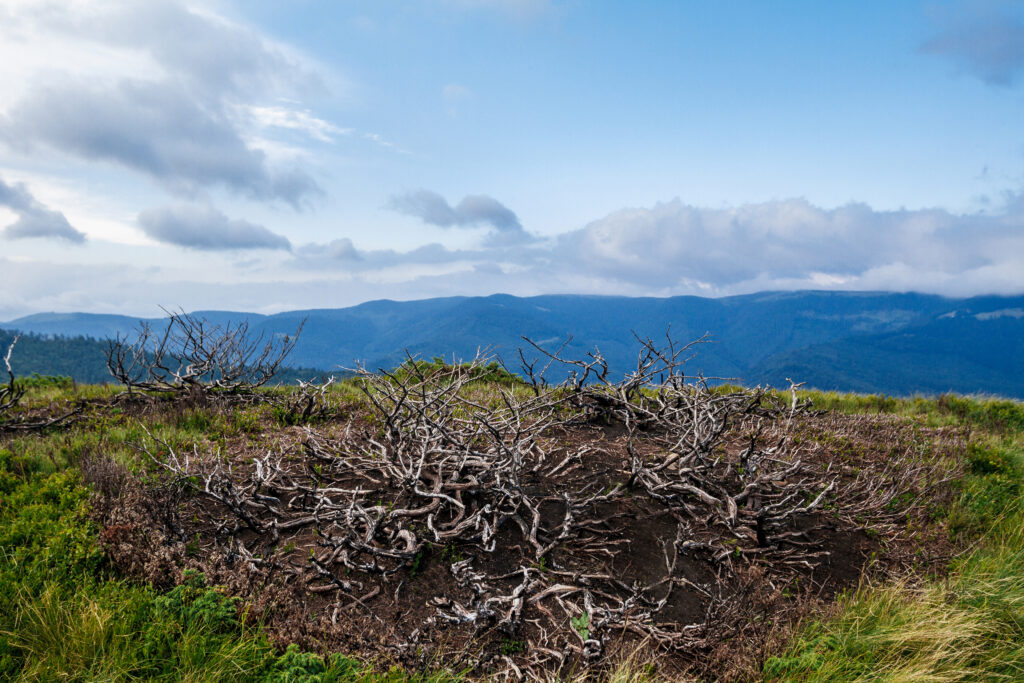
Across Kenya and much of Africa, degraded soils are a growing concern for farmers and landowners. Unsustainable farming practices, deforestation, and overgrazing have left many areas less fertile and vulnerable to erosion. Finding sustainable solutions is critical, and Paulownia trees are emerging as an effective ally in soil restoration. Known for their fast growth and deep root systems, Paulownia can help revive land while also creating economic opportunities.
How Paulownia Supports Soil Health
One of Paulownia’s unique strengths lies in its root system. The tree develops deep roots that stabilize the soil, preventing erosion caused by wind and water. These roots also improve soil aeration, allowing water to infiltrate more easily and reducing surface runoff. Over time, this enhances the land’s ability to support other crops or vegetation.
Additionally, Paulownia sheds large leaves that decompose quickly, enriching the soil with organic matter. This natural process increases fertility by adding vital nutrients and improving soil structure. As a result, degraded land becomes healthier and more productive, making it possible to grow both trees and crops in harmony.
Agroforestry Benefits and Intercropping
Farmers can integrate Paulownia into agroforestry systems by planting it alongside food crops. Because the tree grows tall with a broad canopy but allows filtered light, crops like maize, beans, and vegetables can thrive underneath. The combination not only restores soil health but also boosts yields and creates a diversified source of income for smallholders.
This intercropping approach turns once-barren land into productive farmland. Over time, it reduces reliance on fertilizers and enhances sustainability, since the natural nutrient cycle is restored.
A Sustainable Path for Landowners
Investing in Paulownia for soil restoration offers both ecological and financial rewards. Restored land can support timber production, livestock grazing, or crop farming, all while reducing environmental degradation. For rural landowners, this means improved livelihoods alongside healthier ecosystems.
Beyond local benefits, large-scale adoption of Paulownia contributes to global climate goals. Restored soils store more carbon, and healthier landscapes increase biodiversity. Thus, landowners play a key role in tackling both environmental and economic challenges.
Final Thoughts
Paulownia and soil restoration go hand in hand, offering a natural solution to heal degraded lands. With its deep roots, nutrient-rich leaf litter, and compatibility with agroforestry systems, Paulownia transforms damaged soils into fertile, productive ecosystems. For farmers and communities across Kenya, the “miracle tree” is not just a timber source—it’s a pathway to healthier land and better livelihoods.