Women in Forestry: Empowering Rural Women
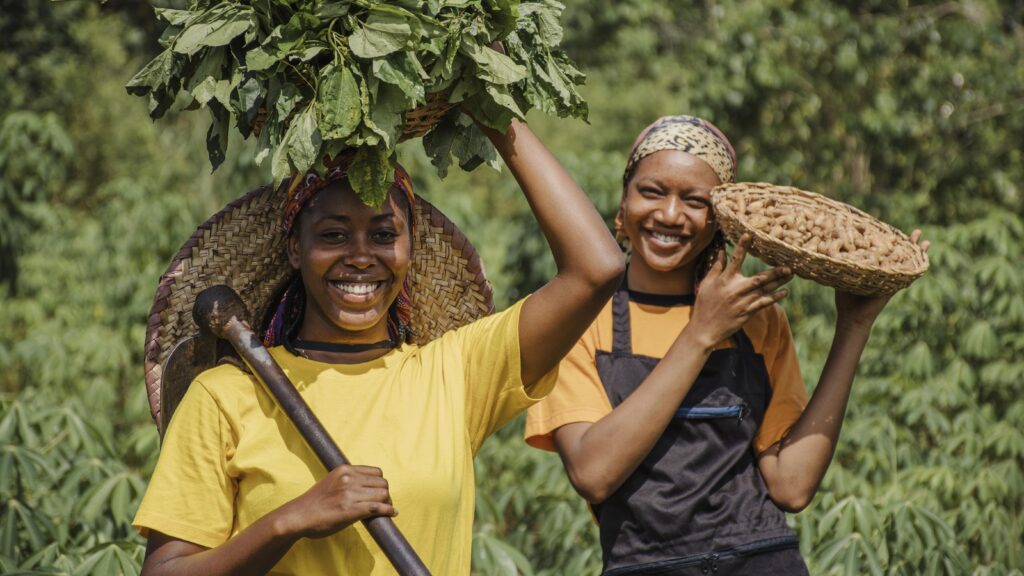
Forestry has long been a male-dominated sector, but women in forestry are steadily changing this narrative. In rural Kenya, Paulownia partnerships are offering new opportunities for women to gain both income and recognition. These initiatives not only enhance livelihoods but also promote gender equity and sustainable resource management.
Women in Forestry and Economic Empowerment
Through Paulownia partnerships, rural women are accessing resources once unavailable to them. Training programs teach skills in nursery management, tree planting, and wood processing. As women take part in these activities, they generate income for their families while strengthening their role in community decision-making.
Paulownia as a Catalyst for Change
Paulownia’s fast growth and high demand make it an attractive option for community projects. By joining cooperatives, women are able to pool resources, share knowledge, and negotiate better terms in the market. This collective approach ensures that profits are more evenly distributed, reducing poverty and improving community resilience.
Building Sustainable Futures
Beyond financial gains, Paulownia partnerships provide long-term environmental benefits. Planting trees helps restore degraded land, improves soil quality, and supports biodiversity. When women take leadership in these efforts, they become champions of both economic development and environmental stewardship. Their involvement also inspires the next generation to embrace forestry as a viable livelihood path.
Breaking Barriers
Despite cultural and structural challenges, women are proving their ability to excel in forestry. Access to land and capital remains a hurdle, but partnerships with organizations and governments are slowly breaking down these barriers. Programs that prioritize inclusivity and gender sensitivity are helping women participate more meaningfully in forestry initiatives.
Final Thoughts
Paulownia partnerships highlight how empowering women in forestry can transform entire communities. By combining income generation with environmental stewardship, these programs create a model of sustainable development that benefits everyone. As women take stronger roles in forestry, they help shape a future that is greener, fairer, and more prosperous for rural Kenya.