How Paulownia Supports Biodiversity in Agroforestry Systems
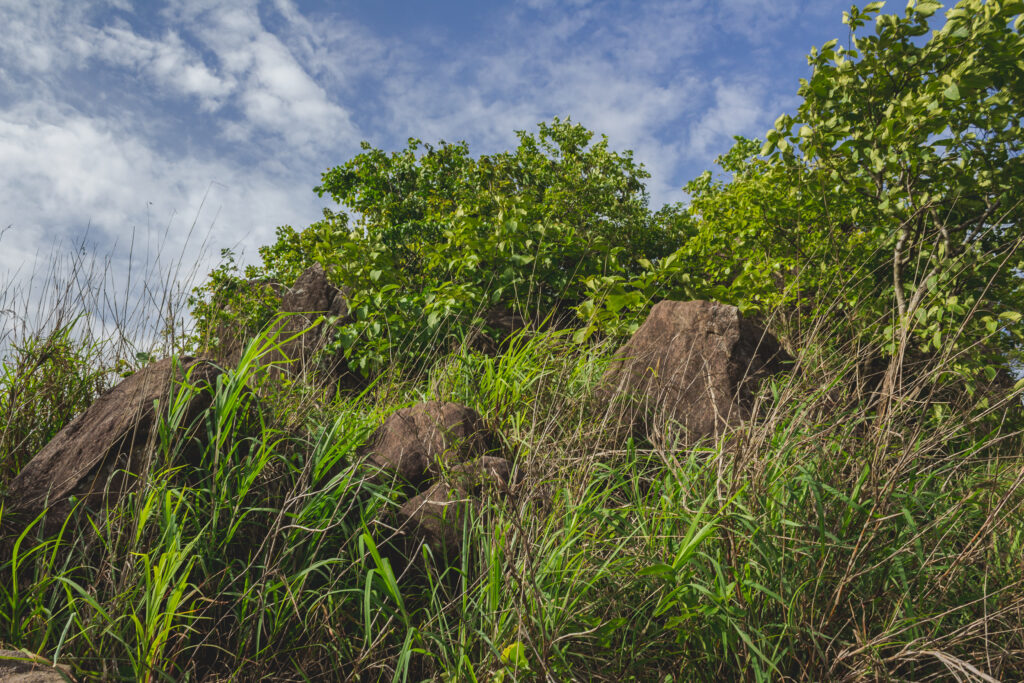
Agroforestry is increasingly recognized as a sustainable land management practice, and Paulownia biodiversity plays an important role in these systems. By integrating Paulownia trees with crops and livestock, farmers not only boost productivity but also create environments that support diverse plant and animal life.
The Role of Paulownia in Agroforestry
One of the biggest advantages of Paulownia in agroforestry is its wide canopy, which provides partial shade without blocking essential sunlight. This unique feature allows crops like maize, beans, and vegetables to thrive beneath the trees. By promoting Paulownia biodiversity, farms support multiple species in the same area, creating balance between trees, crops, and soil organisms.
Soil Health and Paulownia Biodiversity
Paulownia trees have deep root systems that improve soil structure and prevent erosion. The organic matter from their fallen leaves enriches the soil, encouraging microorganisms and earthworms. These organisms, in turn, enhance fertility, making land more productive. This interaction shows how Paulownia biodiversity strengthens the foundation of healthy farming systems.
Supporting Wildlife Habitats
In many regions, monoculture farming reduces the availability of natural habitats. However, Paulownia plantations integrated with other crops attract birds, pollinators, and small mammals. By fostering Paulownia biodiversity, farmers create safe spaces for wildlife that also contribute to pollination and pest control. This biodiversity cycle benefits both nature and agricultural output.
Climate Resilience Through Biodiversity
Another key contribution of Paulownia in agroforestry is climate resilience. Trees absorb carbon dioxide while their root systems stabilize the land against flooding and drought. When farmers embrace Paulownia biodiversity, they make their farms more adaptable to changing weather patterns, protecting livelihoods while conserving ecosystems.
Economic Benefits of Biodiversity
Biodiversity is not only about ecology—it also brings financial rewards. Healthier soils mean higher yields, and pollinator presence ensures better harvests. Additionally, timber from Paulownia provides extra income after just a few years. The combination of crops, timber, and improved soil fertility demonstrates how Paulownia biodiversity translates into long-term economic stability.
Final Thoughts
In agroforestry systems, Paulownia biodiversity offers both ecological and economic benefits. From healthier soils to better habitats and stronger climate resilience, Paulownia helps farmers achieve sustainability while protecting the environment. For Kenyan farmers, embracing this approach means building farms that are both profitable and environmentally responsible.