The Rising Global Demand for Paulownia Timber
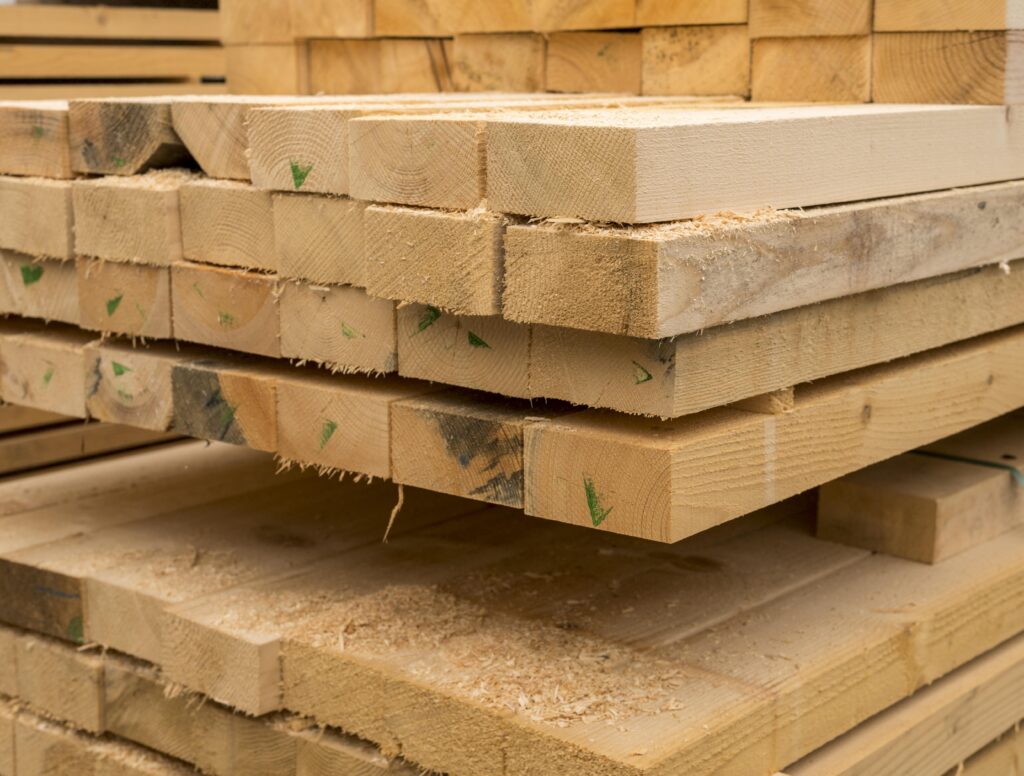
The demand for Paulownia timber has been growing steadily across the world. Known for being lightweight yet durable, this unique wood is now seen as a sustainable alternative to conventional timber. From furniture making to green construction projects, Paulownia’s potential is reshaping global markets and offering new opportunities for farmers and investors.
Why Paulownia Timber Is in Demand
One of the main drivers behind the popularity of Paulownia timber is its impressive strength-to-weight ratio. Despite being lightweight, it resists warping, cracking, and shrinking better than many traditional hardwoods. These qualities make it valuable in industries where performance and longevity are key, such as furniture, surfboards, and even musical instruments.
Another factor fueling demand is the fast growth cycle of Paulownia trees. Within just 5 to 7 years, they can be harvested for quality wood, unlike hardwoods that may take decades. This makes Paulownia one of the most sustainable forestry options available today.
Paulownia Timber in Global Markets
Internationally, Paulownia timber is especially sought after in Asia, Europe, and North America. In China, it has been used for centuries in furniture and construction. European buyers value it for eco-friendly building projects, while American industries use it in lightweight designs and crafts. With global interest in sustainable wood rising, Paulownia’s role in the timber trade is expanding quickly.
Opportunities for Kenyan Farmers
Kenya has the right climate and soil conditions to cultivate Paulownia successfully. Farmers who invest in plantations can benefit from local and export markets as demand increases. Beyond profits, planting Paulownia also improves soil health, prevents erosion, and supports carbon sequestration. This means it’s not only a profitable choice but also an environmentally responsible one.
Future Outlook for Paulownia Timber
Looking ahead, the global appetite for Paulownia timber is expected to rise as industries search for eco-friendly materials. Governments, companies, and consumers alike are turning toward sustainable alternatives, and Paulownia fits this need perfectly. With its fast growth, versatility, and proven market value, it has the potential to become a major player in the international timber industry.
Final Thoughts
The rising global demand for Paulownia timber highlights a shift toward sustainable and efficient forestry practices. For Kenyan farmers, this presents both economic and environmental opportunities. As awareness grows, investing in Paulownia today could secure a brighter, greener future tomorrow.