Paulownia in Construction: Strength Meets Lightweight Design
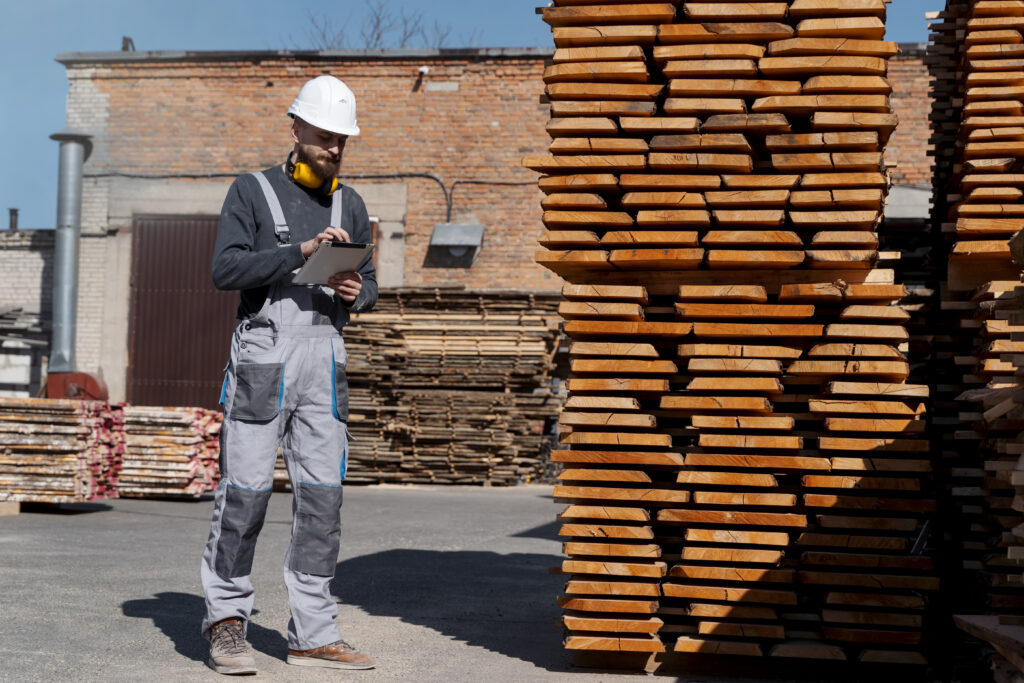
The building industry is always searching for materials that balance strength, cost, and sustainability. One solution gaining global recognition is Paulownia in construction. Known for being both lightweight and durable, Paulownia offers architects, builders, and homeowners an alternative that meets modern needs without compromising on quality.
Why Paulownia Stands Out
Unlike many fast-growing trees, Paulownia produces wood that is remarkably strong for its weight. Its density is about one-third that of oak, yet it resists warping, cracking, and splitting. This unique combination makes it ideal for projects where durability is required, but excessive weight is a drawback.
Paulownia Wood in Building Applications
The versatility of Paulownia in construction is impressive. It is widely used for:
-
Interior design – wall panels, doors, ceilings, and flooring that are easy to install.
-
Furniture and cabinetry – strong yet light pieces that are easy to move.
-
Structural uses – beams and framing in low-rise construction.
-
Insulation support – Paulownia has natural thermal properties that enhance energy efficiency.
Its resistance to moisture and termites also adds value, especially in tropical climates where many conventional timbers struggle.
A Sustainable Material Choice
Sustainability is now at the heart of construction decisions. Paulownia trees grow rapidly, reaching harvest maturity within 5–7 years. They regenerate after harvesting, meaning farmers can maintain continuous cycles without replanting every time. Compared to slow-growing hardwoods, this reduces deforestation pressure while offering builders a renewable material.
Cost and Efficiency Advantages
Transporting heavy materials can significantly raise building costs. Because Paulownia is extremely light, logistics and handling become more affordable. Builders also benefit from reduced installation times, as Paulownia’s smooth texture is easy to cut and shape. These efficiencies make it appealing for both small-scale and large-scale projects.
Future Outlook for Paulownia in Construction
As green building certifications and eco-conscious consumers drive demand for sustainable materials, Paulownia is expected to take a stronger role in global construction markets. From eco-homes to commercial projects, it provides a balance of performance, affordability, and environmental responsibility.
Final Thoughts
The use of Paulownia in construction represents a shift toward smarter, lighter, and greener building solutions. Its strength-to-weight ratio, versatility, and eco-friendly growth cycle make it a timber of the future. For African and global markets alike, Paulownia promises to reshape the construction landscape.