Comparing Paulownia Wood to Mahogany and Pine
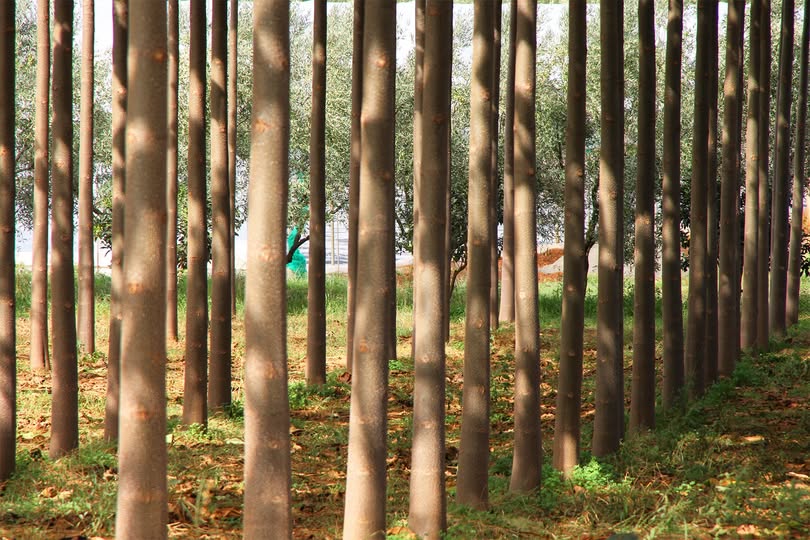
Choosing the right timber is crucial for furniture makers, builders, and investors. Paulownia wood, often called the “aluminum of timber” because of its lightness and strength, is gaining attention worldwide. To better understand its potential, let’s compare Paulownia with two well-known species: mahogany and pine.
Weight and Strength
Paulownia wood is incredibly lightweight yet surprisingly durable. Its low density makes it easy to transport and work with, especially in carpentry and furniture production. Mahogany, on the other hand, is heavier and stronger, making it ideal for luxury furniture and structural applications. Pine falls somewhere in between—lighter than mahogany but heavier than Paulownia—offering versatility for general construction.
Growth Rate and Availability
One of the biggest advantages of Paulownia is its fast growth. Under proper management, Paulownia trees can mature in as little as 5–7 years, while mahogany may take several decades to reach harvestable size. Pine grows faster than mahogany but still requires more time than Paulownia. This rapid growth gives Paulownia an edge in sustainable forestry and quick returns for smallholder farmers.
Durability and Resistance
Mahogany is known for its excellent durability and resistance to decay, which makes it highly valued for high-end furniture and boats. Pine, while affordable, is less resistant to pests and requires treatment for outdoor use. Paulownia offers moderate resistance to rot and insects, but its ability to regenerate after harvest makes it an eco-friendly option for long-term forestry cycles.
Workability and Uses
Paulownia wood is easy to cut, shape, and finish, making it a favorite for lightweight furniture, doors, surfboards, and even musical instruments. Mahogany, with its rich reddish tone and strength, is often used in premium furniture and decorative pieces. Pine is commonly chosen for construction, paneling, and everyday furniture due to its availability and low cost.
Environmental Impact
From a sustainability perspective, Paulownia stands out. Its rapid growth, carbon sequestration ability, and adaptability to degraded soils make it a valuable tree for climate-smart forestry. Mahogany, while beautiful and durable, is often linked to deforestation when unsustainably harvested. Pine plantations are common worldwide, but they may not always provide the same biodiversity benefits as Paulownia-based systems.
Final Thoughts
When comparing Paulownia wood to mahogany and pine, the choice depends on the intended use. For lightweight, sustainable, and fast-return projects, Paulownia is an excellent option. Mahogany remains unmatched for luxury applications, while pine balances cost and versatility. Together, these species highlight the diversity of the timber market, but Paulownia is proving to be the wood of the future.