Paulownia and Kenya’s Vision 2030: Green Development Goals
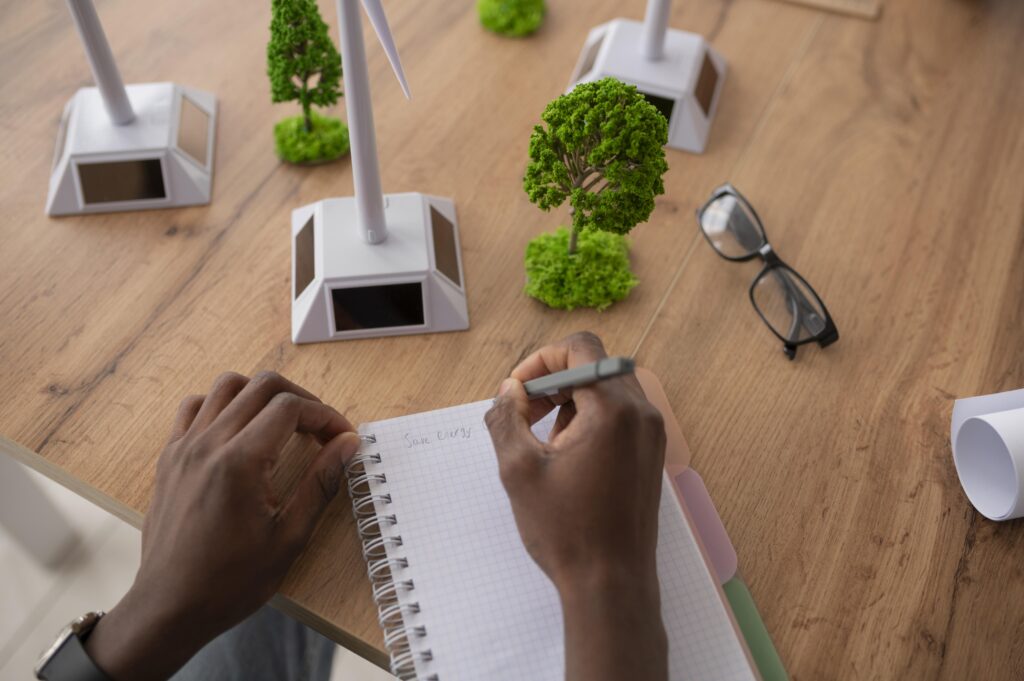
Paulownia and Vision 2030 share a common goal: building a greener, more sustainable Kenya. Vision 2030 is the country’s long-term development plan, aiming to transform Kenya into a middle-income nation with strong social, economic, and environmental pillars. Among these, the environment is central, highlighting forestry, climate change, and sustainable land use. Paulownia, often called the miracle tree, fits directly into these goals by offering fast growth, environmental restoration, and economic opportunity.
Paulownia and Sustainable Forestry
Kenya’s Vision 2030 emphasizes sustainable natural resource management. Expanding forest cover is a key priority, with the government targeting increased tree planting across the country. Paulownia supports this by growing quickly, restoring degraded soils, and thriving in different conditions. Its lightweight but strong timber also provides an alternative to over-harvested species, reducing pressure on indigenous forests.
Supporting Climate Change Goals
Vision 2030 recognizes climate change as a national challenge. Kenya has already experienced droughts, flooding, and land degradation linked to climate shifts. Paulownia contributes to climate resilience through high carbon absorption rates and its ability to prevent soil erosion. By planting Paulownia at scale, communities can help Kenya meet its national climate commitments, such as reducing greenhouse gas emissions and building adaptive ecosystems.
Economic Opportunities from Paulownia
Vision 2030 also focuses on creating green jobs and sustainable industries. Paulownia cultivation can generate income through timber sales, furniture production, and even carbon credit markets. Smallholder farmers can diversify income while contributing to environmental goals. As demand for sustainable wood products grows globally, Paulownia positions Kenya as a potential exporter, opening new markets that align with Vision 2030’s economic pillar.
Community Empowerment
The social pillar of Vision 2030 emphasizes equity and inclusion. Paulownia projects empower women, youth, and rural communities by offering accessible forestry opportunities. Schools and cooperatives can integrate Paulownia planting into their programs, fostering environmental education and sustainable livelihoods. This community approach ensures that development is not only green but also inclusive.
Final Thoughts
Kenya’s Vision 2030 sets an ambitious roadmap for development, and forestry plays a vital role in achieving it. Paulownia and Vision 2030 go hand in hand: the tree restores the environment, supports climate action, creates green jobs, and strengthens communities. By embracing Paulownia as part of Kenya’s sustainability strategy, the country can move closer to its development goals while building a greener, more resilient future.