Paulownia and Urban Greening: Cooling Cities Naturally
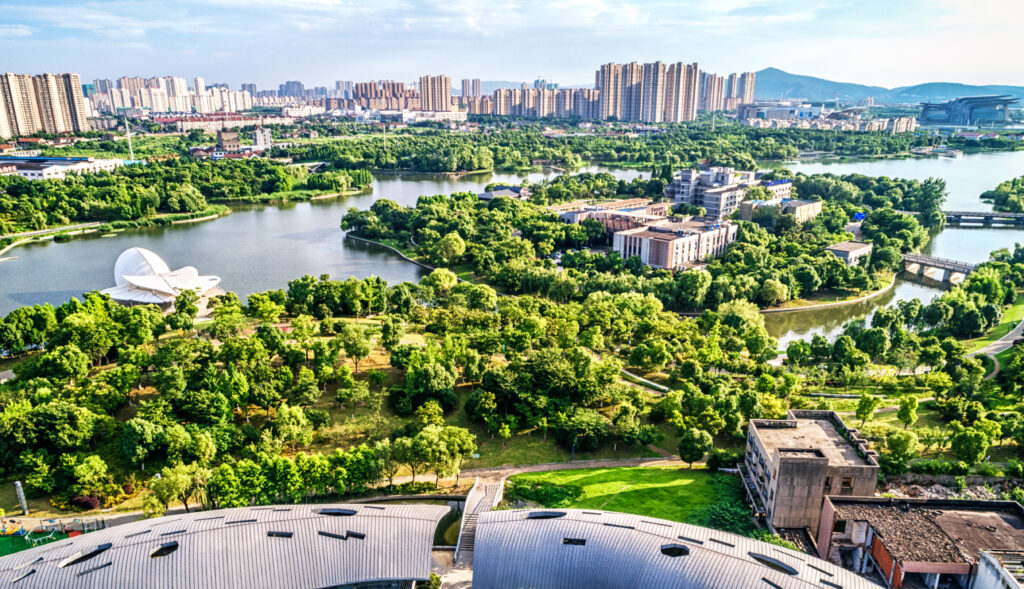
Urban areas face rising temperatures due to climate change and increased concrete surfaces. Paulownia and urban greening provide a natural solution for cooling cities. With fast growth, broad canopies, and adaptability, Paulownia can transform urban spaces, improve air quality, and make cities healthier for residents.
Shade and Cooling Benefits
Paulownia grows rapidly and develops large leaves that offer significant shade. This canopy helps reduce heat absorption on streets, pavements, and buildings. By incorporating urban greening with Paulownia, city planners can lower urban heat island effects, making outdoor areas more comfortable during hot seasons.
Environmental Advantages of Tree Planting
Beyond shade, Paulownia enhances microclimates and filters pollutants. Its roots improve soil structure and water retention, while its leaves trap dust and airborne particles. Planting Paulownia for urban cooling also supports biodiversity, providing habitats for birds and insects.
Integrating Paulownia in City Landscapes
Careful planning ensures successful urban greening. Paulownia can be planted along streets, parks, and public spaces, either as single trees or clusters. Its lightweight wood and non-invasive roots make it suitable for urban environments, aligning with Kenya’s vision for sustainable city development.
Final Thoughts
Paulownia and urban greening demonstrate how strategic tree planting combats the challenges of warming cities. Its rapid growth, shade provision, and environmental benefits make it a versatile tool for urban planners and communities. By using Paulownia in city landscapes, Kenya can create cooler, greener, and healthier urban spaces for generations to come.