The Export Potential of Paulownia Timber from Africa
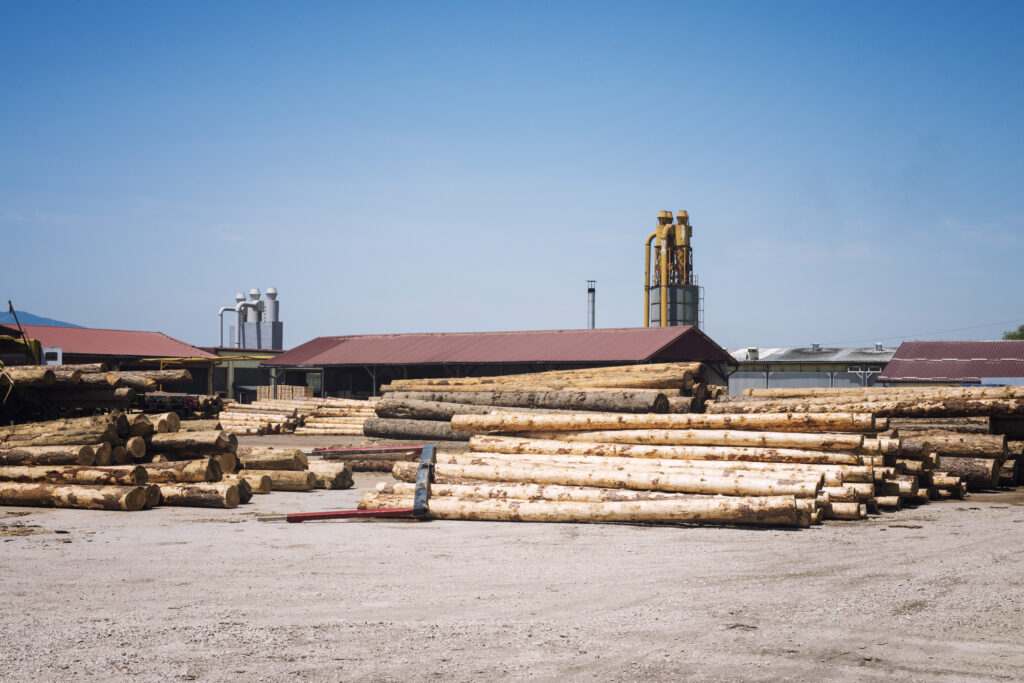
Africa’s forestry sector is evolving, and Kenya is well-positioned to take advantage of this growth. Among the promising opportunities is the export potential of Paulownia timber from Africa. Known as the miracle tree, Paulownia grows rapidly, produces lightweight yet durable wood, and is in high demand globally. For African farmers and investors, this opens a pathway to enter lucrative international markets while promoting sustainable forestry.
Why Paulownia Timber Appeals to Global Markets
Paulownia timber has a unique combination of strength and lightness, making it ideal for furniture, construction, packaging, and even musical instruments. Its quick growth cycle means that harvests can begin within five to seven years, compared to decades for traditional hardwoods. This makes it attractive to international buyers who need consistent and sustainable supply chains.
Market Trends Favoring Paulownia
Global demand for sustainable wood is rising as industries and governments push for environmentally friendly alternatives. Countries with limited forest resources are increasingly importing timber to meet demand. Paulownia fits this niche by offering a renewable, eco-friendly product. Exporters from Africa can tap into markets in Asia, Europe, and North America where Paulownia timber is already recognized and valued.
Opportunities for Kenyan Farmers and Entrepreneurs
For Kenyan smallholders and commercial landowners, Paulownia cultivation presents more than local benefits. With the right investment in plantations, processing facilities, and certification, farmers can access export markets that bring higher returns. Cooperatives can help pool resources, ensuring that even small farmers share in the export potential. Entrepreneurs can add value by producing furniture or finished wood products for export, further boosting incomes.
Addressing Challenges in Export
To realize the export potential of Paulownia timber from Africa, stakeholders must address key challenges. These include establishing reliable quality standards, meeting international certification requirements, and developing efficient logistics. Partnerships between government agencies, investors, and farmer groups can help streamline this process, ensuring Kenyan timber is competitive on the global stage.
Final Thoughts
The export potential of Paulownia timber from Africa represents more than an economic opportunity—it is a chance to position Kenya as a leader in sustainable forestry. With growing global demand, Paulownia offers farmers, entrepreneurs, and investors a profitable pathway while supporting reforestation and environmental goals. By focusing on quality, collaboration, and certification, Africa can unlock new value chains and make Paulownia a flagship export product for the future.