Building Rural Enterprises Around Paulownia Timber Processing
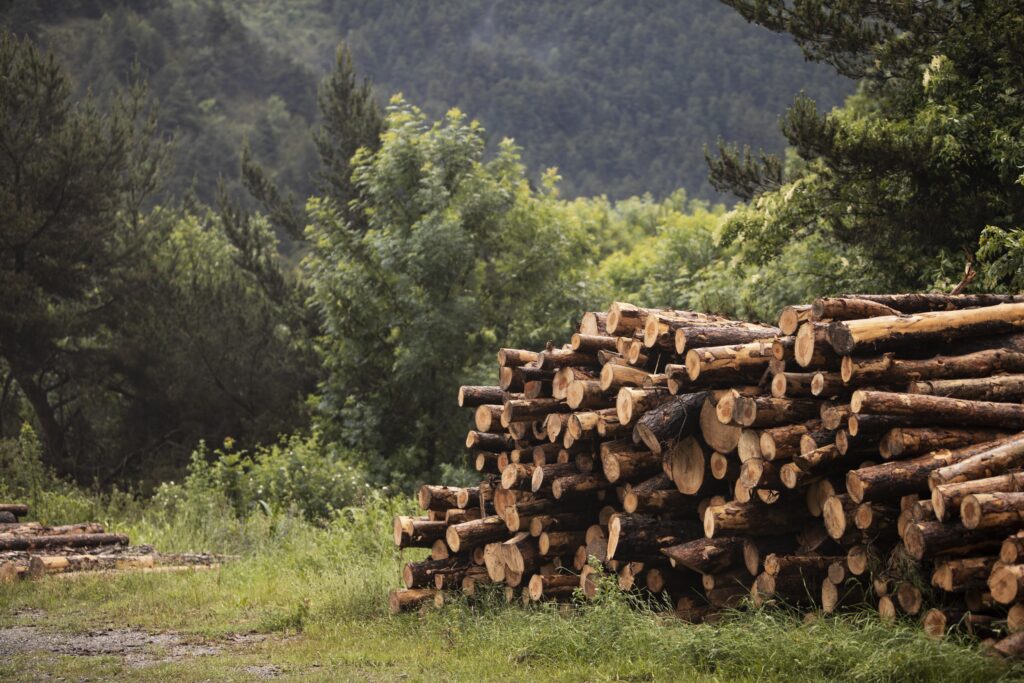
Paulownia timber is gaining recognition in Kenya for being lightweight, durable, and sustainable. Beyond its environmental value, Paulownia offers significant opportunities for rural entrepreneurship. By building enterprises around timber processing, communities can create jobs, diversify incomes, and unlock new value chains that strengthen local economies.
Why Paulownia Timber Matters for Enterprises
Paulownia’s rapid growth cycle—maturing in as little as 7 to 10 years—provides a steady supply of wood. Unlike slower-growing hardwoods, it gives rural processors a predictable and renewable raw material. Its versatility in making furniture, doors, packaging, and even musical instruments ensures strong demand across multiple markets.
Opportunities in Timber Processing
Small and medium enterprises (SMEs) in rural areas can benefit from establishing sawmills, carpentry workshops, or furniture-making businesses that specialize in Paulownia timber. Since the wood is easy to cut, plane, and finish, processing costs are relatively low, making it attractive for local entrepreneurs with limited capital.
Empowering Rural Communities
Enterprises built around Paulownia timber processing don’t just provide profits—they create employment opportunities for youth, women, and smallholder farmers. Cooperative models can also give farmers more bargaining power, ensuring better prices for their logs and shared investment in processing facilities. This collective approach helps communities retain more value locally rather than depending on middlemen.
Linking to Broader Markets
With proper treatment and finishing, Paulownia timber products meet both local and export standards. By tapping into regional and international markets, rural enterprises can scale their businesses. Partnerships with NGOs, government agencies, and private investors can also help provide financing, training, and technology transfer to enhance competitiveness.
Final Thoughts
Building rural enterprises around Paulownia timber processing offers a unique way to merge economic growth with environmental sustainability. By adding value to the timber locally, communities can strengthen their livelihoods, support green industries, and contribute to Kenya’s broader development goals.