The Role of Paulownia in Integrated Pest Management
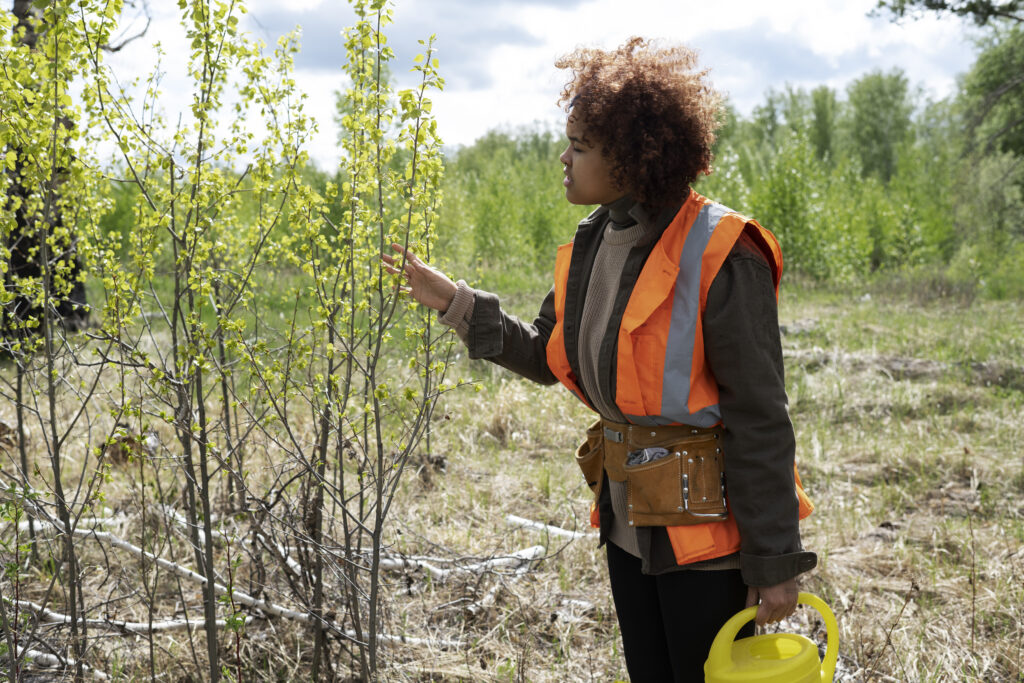
The role of Paulownia in integrated pest management is gaining attention in agroforestry systems. Farmers are increasingly seeking sustainable ways to control pests without relying heavily on chemical pesticides. Paulownia, with its unique ecological traits, provides a natural advantage in creating balanced farming ecosystems.
How Paulownia Supports Integrated Pest Management
Paulownia trees contribute to pest management in several ways:
-
Habitat for beneficial insects: The wide leaves and flowering patterns of Paulownia attract pollinators and predatory insects that naturally reduce pest populations.
-
Microclimate regulation: By providing shade and windbreaks, Paulownia helps maintain a stable microclimate, which discourages the spread of certain pests.
-
Soil health improvement: Healthy soils foster stronger crops, making them less susceptible to pest outbreaks.
These features demonstrate the practical role of Paulownia in integrated pest management strategies across different farming landscapes.
Paulownia in Agroforestry Systems
When incorporated into agroforestry, Paulownia creates a more diverse ecosystem where pest control happens organically. For example:
-
Intercropping systems benefit from the reduced need for pesticide use.
-
Shade-tolerant crops such as coffee or medicinal plants thrive under Paulownia cover, with fewer pest issues.
-
Companion planting alongside Paulownia often results in healthier crop yields and improved farm resilience.
Research Insights on Pest Management
Recent research highlights the effectiveness of Paulownia in supporting ecological pest control. Studies show that farms integrating Paulownia experience:
-
Increased biodiversity of beneficial insects.
-
Lower incidence of pest-related crop losses.
-
Reduced dependence on costly chemical sprays.
The role of Paulownia in integrated pest management is therefore not only ecological but also economic, as farmers save money while protecting their crops sustainably.
Beyond Pest Management: Added Value
In addition to pest control benefits, Paulownia offers:
-
Fast-growing timber for furniture and construction.
-
Carbon sequestration, contributing to climate resilience.
-
Additional income streams for farmers through wood products and shade-grown crops.
This multifunctional value makes Paulownia an ideal species for both smallholder farmers and large-scale agroforestry initiatives.
Final Thoughts
The role of Paulownia in integrated pest management goes beyond theory—it is a proven, practical solution for farmers seeking eco-friendly and cost-effective methods of crop protection. By supporting biodiversity, reducing chemical dependence, and enhancing farm resilience, Paulownia demonstrates its true potential as a cornerstone of sustainable agroforestry.