Paulownia Leaf Uses: From Animal Fodder to Organic Mulch
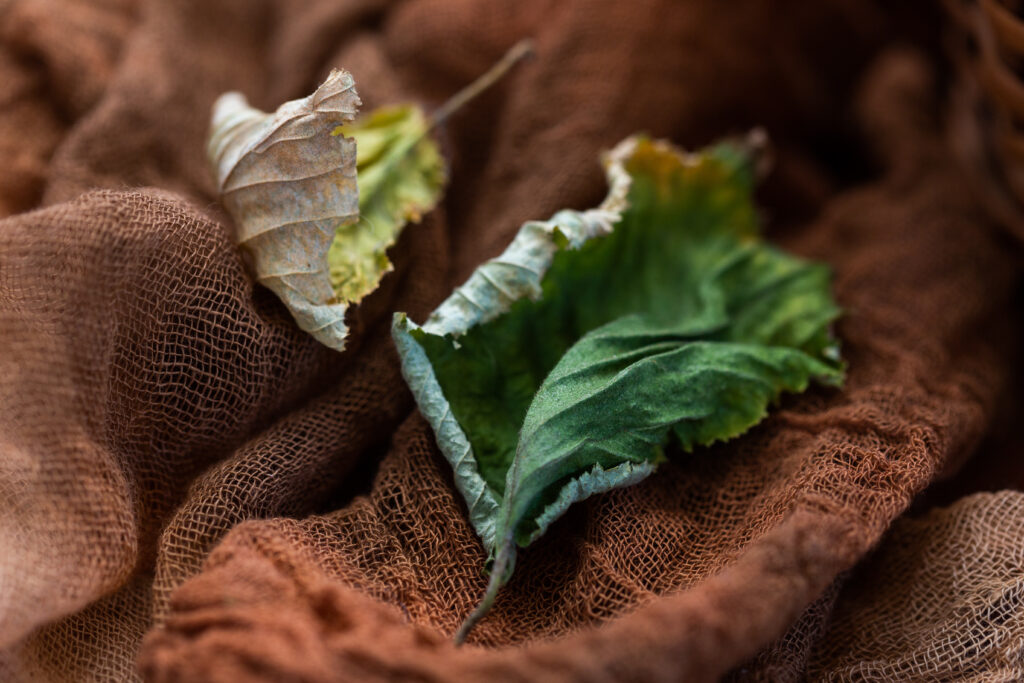
Understanding Paulownia leaf uses is essential for farmers seeking to maximize productivity while promoting sustainable practices. These fast-growing leaves are highly versatile, serving multiple roles from nutritious animal fodder to enriching soil as organic mulch.
Paulownia Leaves for Livestock Feed
One of the primary Paulownia leaf uses is as a feed source for animals. The leaves are rich in proteins, vitamins, and minerals, making them an excellent supplement for goats, cows, and sheep. Using Paulownia leaves in livestock diets can lower feed costs and improve animal growth, health, and productivity.
Using Paulownia Leaves as Organic Mulch
Another important use of Paulownia leaves is as mulch for crops. Spread across garden beds or fields, the leaves retain soil moisture, regulate temperature, and gradually decompose to release nutrients. This natural process enhances soil fertility, prevents erosion, and reduces the need for chemical fertilizers.
Composting and Green Manure
Farmers can also incorporate Paulownia leaves into compost piles. Their high biomass accelerates decomposition, producing nutrient-rich compost that improves vegetable gardens, orchards, and tree nurseries. Additionally, Paulownia leaves can be used as green manure, enriching soil with nitrogen and other essential nutrients.
Other Practical Applications
Beyond soil and livestock, Paulownia leaves are used for:
-
Animal bedding, offering soft, absorbent material.
-
Biomass energy, where dried leaves serve as eco-friendly fuel.
Final Thoughts
The diverse Paulownia leaf uses make this tree a valuable resource in sustainable agriculture. By providing nutritious fodder, enriching soils, and supporting eco-friendly farming practices, Paulownia leaves empower Kenyan farmers to enhance productivity while protecting the environment.