Paulownia’s Contribution to Kenya’s Reforestation Targets
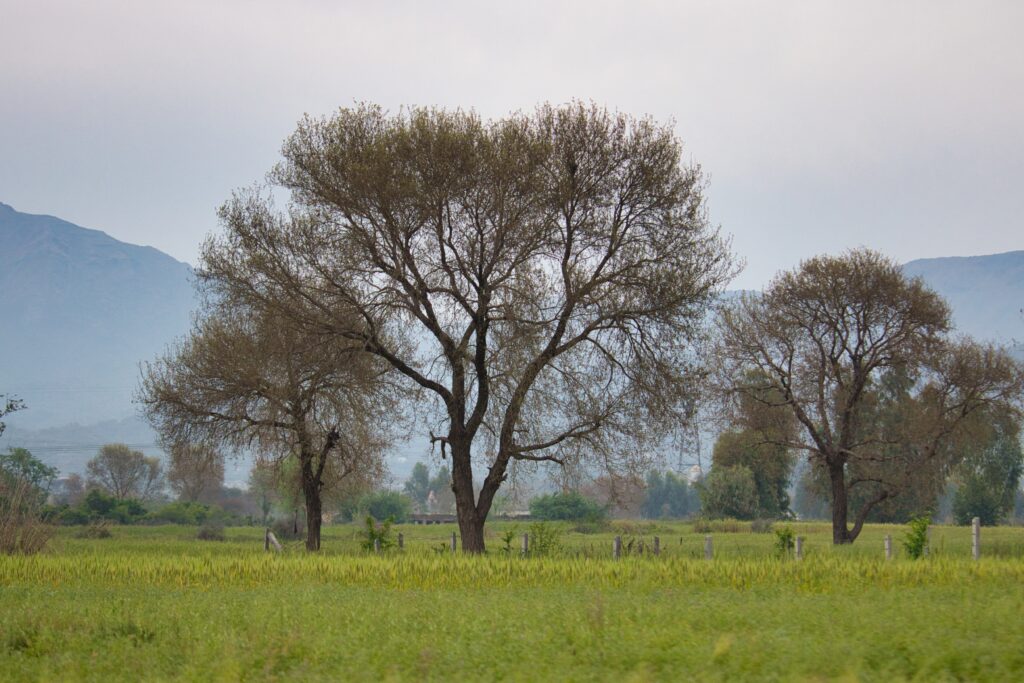
Kenya has set ambitious reforestation targets to restore its landscapes, combat climate change, and strengthen rural livelihoods. Among the species gaining attention for this mission is the fast-growing Paulownia tree. Known for its adaptability, lightweight timber, and strong carbon capture, Paulownia reforestation in Kenya is proving to be more than just an environmental solution—it is also an economic and social opportunity.
Why Paulownia Reforestation in Kenya Matters
Kenya aims to increase its forest cover beyond 10% to meet sustainability and climate goals. Traditional reforestation efforts often focus on slower-growing indigenous trees, which are vital but may take decades to mature. Paulownia, however, grows rapidly—reaching harvestable size in as little as 5 to 7 years—making it an ideal complement to long-term forest species. Its fast growth enables quicker canopy coverage, which reduces soil erosion and restores degraded land faster.
Carbon Benefits of Paulownia Reforestation
One of the most significant advantages of Paulownia trees is their exceptional carbon absorption capacity. Research indicates that Paulownia sequesters more carbon dioxide than many traditional tree crops, making it a strong ally in Kenya’s fight against climate change. By integrating plantations with community-based reforestation initiatives, Kenya can simultaneously boost carbon credits and create sustainable green jobs.
Soil Health and Paulownia Reforestation
Beyond carbon, Paulownia enhances soil quality. Its deep root system improves water retention, reduces erosion, and enriches soil nutrients. In regions like semi-arid Eastern and Rift Valley areas, this resilience supports agroforestry systems, where farmers can intercrop Paulownia with beans, maize, or vegetables. The result is healthier farms, higher yields, and more resilient rural communities.
Community and Economic Impact
Paulownia reforestation in Kenya is not only about trees—it is about people. Rural communities benefit from timber sales, carbon credits, and diversified incomes. Women and youth groups are increasingly involved in planting and managing these projects, creating inclusive green growth opportunities. The timber itself supports Kenya’s construction, furniture, and renewable energy sectors.
Final Thoughts
As Kenya accelerates toward its reforestation targets, Paulownia offers a unique balance of environmental restoration and economic empowerment. Its ability to capture carbon quickly, improve soils, and uplift communities makes it a cornerstone species for sustainable forestry. By scaling Paulownia reforestation in Kenya, the nation can fast-track its climate goals while building a greener and more prosperous future.