Paulownia and Watershed Protection: Conserving Soil and Water
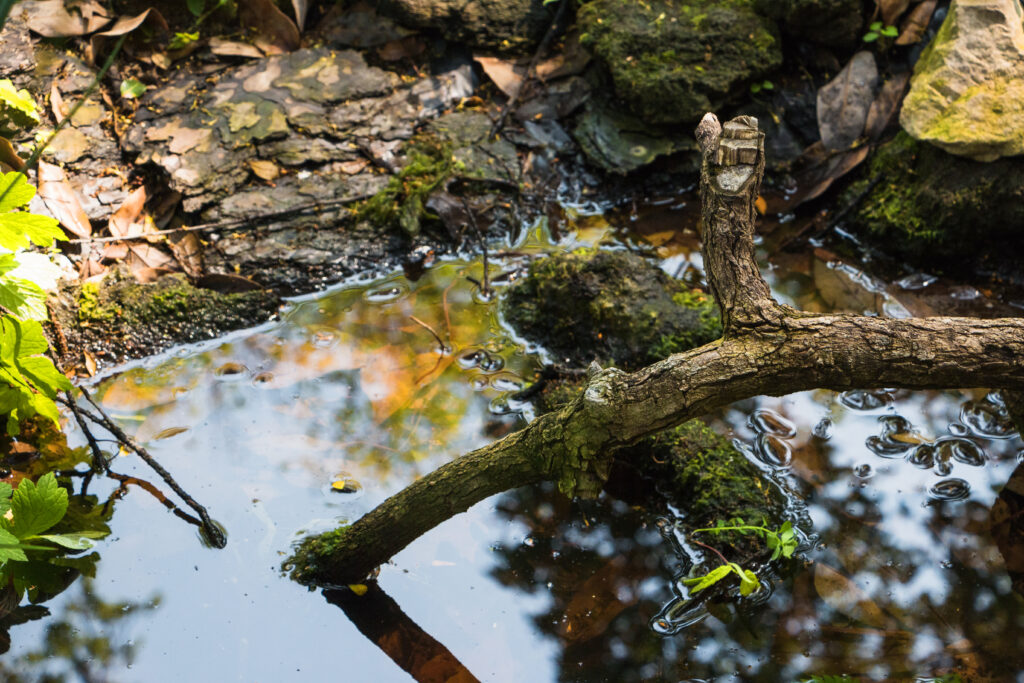
Sustainable land management is essential in today’s changing climate, and one promising solution lies in the connection between Paulownia and watershed protection. Known as one of the fastest-growing trees in the world, Paulownia offers unique benefits for conserving both soil and water resources, making it a valuable ally in environmental and climate protection strategies.
The Role of Paulownia in Soil Conservation
Healthy soil is the foundation of any watershed. Paulownia trees contribute to soil conservation by reducing erosion and stabilizing loose ground. Their extensive root systems bind the soil, preventing it from being washed away by heavy rains. This improves soil structure, boosts fertility, and creates conditions where crops and other plants can thrive. In areas prone to land degradation, planting Paulownia can play a critical role in restoring balance to fragile ecosystems.
Paulownia and Watershed Hydrology
Watersheds depend on natural vegetation to regulate water flow and maintain quality. Paulownia and watershed protection go hand in hand because the tree helps regulate water cycles. By slowing down surface runoff, Paulownia increases groundwater recharge while reducing the risk of floods and siltation in rivers. Its broad leaves also provide canopy cover, which decreases evaporation rates and protects streams from overheating—vital for aquatic biodiversity.
Climate Change Mitigation and Adaptation
Beyond local benefits, Paulownia contributes to global climate solutions. Its rapid growth allows it to absorb large amounts of carbon dioxide, directly helping mitigate climate change. At the same time, stronger watersheds supported by Paulownia trees provide communities with better resilience against extreme weather events such as droughts and floods. This makes the species an important tool in climate adaptation planning.
Community and Economic Value
Integrating Paulownia into watershed management plans also brings economic opportunities. Farmers and local communities can harvest its lightweight timber for furniture, crafts, and construction without undermining watershed functions. This balance between conservation and livelihood ensures sustainable practices that support both people and nature.
Final Thoughts
The link between Paulownia and watershed protection highlights how one tree species can make a significant difference in conserving soil and water. By stabilizing land, regulating water flows, and contributing to climate resilience, Paulownia demonstrates its value as both an ecological safeguard and an economic resource. Investing in Paulownia for watershed protection means safeguarding ecosystems, communities, and future generations.