Paulownia Crop Rotation Systems for Sustainable Farming
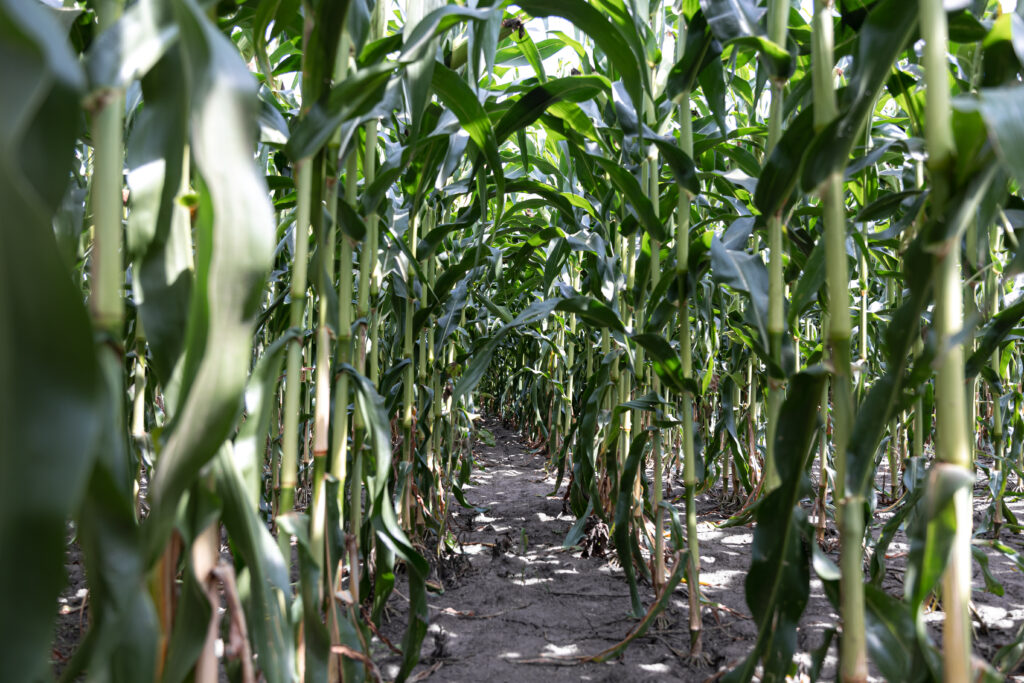
Integrating Paulownia crop rotation systems into farming practices is gaining recognition as a strategy for boosting productivity while ensuring long-term land health. Unlike traditional monoculture systems, Paulownia offers farmers an innovative way to balance timber production with sustainable agriculture.
Why Paulownia Works in Crop Rotation
Paulownia trees are fast-growing, deep-rooted, and highly adaptable. Their root systems draw nutrients and moisture from deeper soil layers, leaving topsoil resources available for shallow-rooted crops. This makes them particularly effective in crop rotations involving cereals like maize, sorghum, and wheat, which often deplete surface nutrients. By cycling with Paulownia, farmlands regain fertility and remain productive for years.
Soil Health and Biodiversity Benefits
One of the major advantages of Paulownia crop rotation systems is their contribution to soil improvement. Fallen leaves create a natural mulch that restores organic matter and reduces erosion. In addition, the shade canopy can help regulate soil temperature and moisture retention, conditions that are especially valuable in semi-arid regions. Farms with integrated Paulownia rotations also tend to host richer biodiversity, from soil microbes to pollinators.
Economic Incentives for Farmers
From an investment perspective, Paulownia rotations provide dual returns. Farmers can harvest food crops annually while waiting for Paulownia to mature as a timber product. This staggered income model helps reduce financial risk, offering stability against seasonal market fluctuations. Timber from Paulownia is lightweight, strong, and increasingly in demand for furniture, construction, and veneer production, giving it a lucrative edge over conventional tree species.
Climate and Sustainability Impact
Paulownia crop rotation systems align well with climate-smart agriculture goals. The trees act as carbon sinks, sequestering significant amounts of CO₂ while improving land resilience against drought. Their adaptability to different climates means they can be scaled in both smallholder and commercial farms. By combining timber production with crop yields, farmers contribute to food security while addressing climate change challenges.
Final Thoughts
Paulownia crop rotation systems demonstrate that agriculture and forestry do not have to compete. Instead, they can complement each other in creating a profitable, sustainable, and climate-resilient future for farming communities. With growing interest in sustainable practices and the increasing demand for eco-friendly timber, Paulownia rotations present an investment opportunity that benefits both the farmer and the planet.