Harnessing Paulownia Roots for Soil Stabilization on Slopes
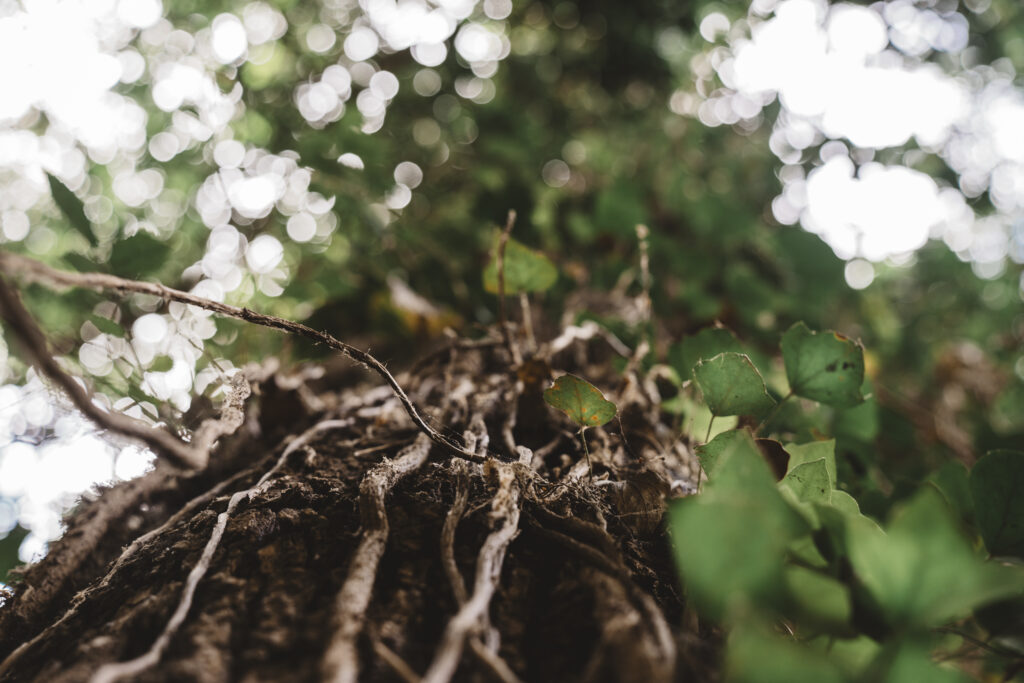
Soil erosion is one of the biggest threats to agricultural productivity and environmental stability, especially on sloped landscapes. Farmers and conservationists are increasingly turning to sustainable solutions that address both soil health and land productivity. One such solution is harnessing Paulownia roots for soil stabilization on slopes, a practice gaining recognition across Africa and beyond.
The Power of Paulownia Roots
Paulownia trees are known for their fast growth, deep root systems, and adaptability. Their roots penetrate the soil quickly, binding particles together and preventing runoff. Unlike shallow-rooted species, Paulownia roots anchor into the subsoil, making them highly effective for slope stabilization. This minimizes the risk of landslides, gullying, and loss of topsoil while enhancing water infiltration.
Dual Benefits: Stabilization and Productivity
Planting Paulownia on slopes does more than protect the land—it creates opportunities for productivity. The trees provide high-value timber, animal fodder from leaves, and biomass for mulch or organic fertilizer. By planting Paulownia for soil stabilization, farmers not only conserve land but also create long-term income streams. This dual role makes it an ideal choice for both smallholders and commercial investors.
Integration with Agroforestry
Paulownia roots for soil stabilization work best when combined with agroforestry practices. By intercropping Paulownia with grasses, legumes, or fruit trees, farmers enhance biodiversity and reduce soil erosion further. The canopy provides shade, reducing water evaporation, while the deep roots coexist without competing heavily with shallow-rooted crops. This synergy strengthens the ecological resilience of sloped farms.
Environmental and Climate Benefits
Erosion control with Paulownia contributes directly to climate resilience. Healthy, stabilized soils capture and store more carbon, while the trees themselves absorb significant amounts of CO₂. The ability of Paulownia to rehabilitate degraded slopes makes it a strong candidate for inclusion in climate-smart agriculture and reforestation programs across Africa.
Final Thoughts
Harnessing Paulownia roots for soil stabilization on slopes offers a win-win solution for farmers, investors, and the environment. By reducing erosion risks, supporting biodiversity, and delivering economic benefits, Paulownia stands out as a sustainable tree for fragile landscapes. As land degradation challenges intensify, solutions like Paulownia offer both immediate and long-term resilience.