Paulownia Youth Cooperatives: Building Stronger Communities Through Cultivation
Introduction
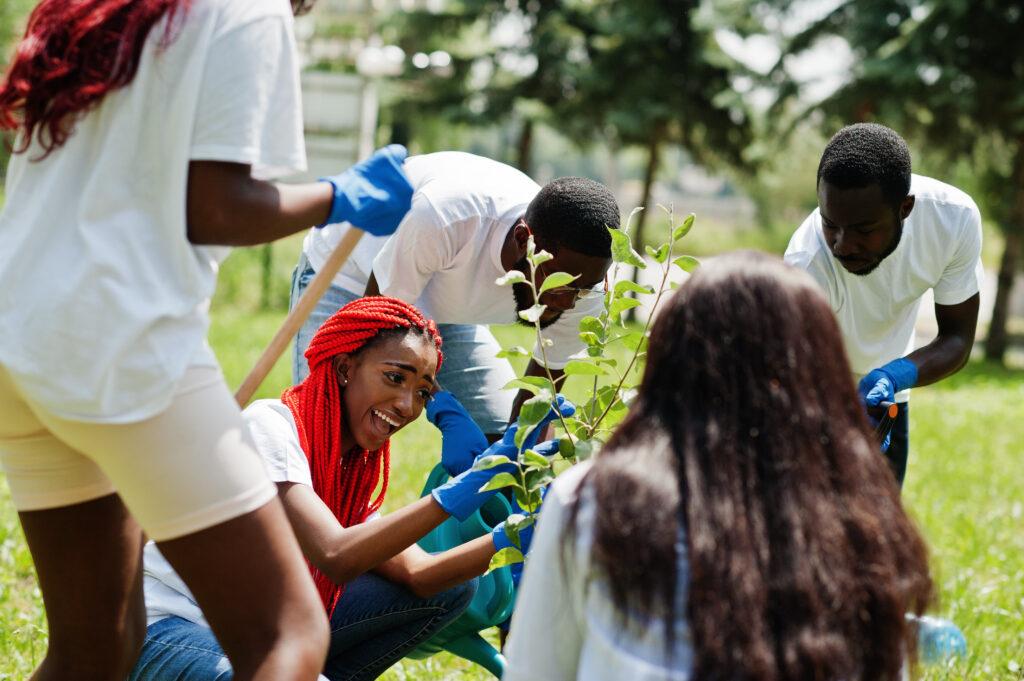
Empowering young people through agribusiness is a proven path to creating sustainable livelihoods. One promising approach is the formation of Paulownia youth cooperatives, where young farmers collaborate to cultivate and manage Paulownia trees. These fast-growing hardwoods provide timber, shade, and environmental benefits, while also opening opportunities for community entrepreneurship. By organizing into cooperatives, youth can pool resources, share knowledge, and access larger markets than they could individually.
Why Youth Cooperatives Matter
Youth cooperatives foster teamwork, collective decision-making, and mutual accountability. In agriculture, this model allows young people to share land, labor, and skills. For Paulownia cultivation, the cooperative model offers even greater value because of the crop’s wide range of uses—from timber production to agroforestry systems that improve soil health. Cooperatives not only increase bargaining power in markets but also give young people a sense of ownership and responsibility toward long-term projects.
The Paulownia Advantage
Paulownia is uniquely suited for youth agribusiness initiatives. Its rapid growth cycle means farmers can see returns in just 7–10 years, much faster than most hardwoods. Lightweight yet strong timber makes it attractive in construction, furniture, and plywood industries. Additionally, Paulownia trees support environmental goals by sequestering carbon, preventing soil erosion, and creating shade for mixed farming systems. For youth cooperatives, cultivating Paulownia represents both economic opportunity and ecological stewardship.
Training, Skills, and Market Access
A major benefit of forming Paulownia youth cooperatives is the ability to secure training and extension services. NGOs, local governments, and private investors are more likely to support organized groups than individual farmers. Cooperative members can gain skills in nursery management, tree care, harvesting, and timber marketing. By working together, they can negotiate better prices, form contracts with timber buyers, and explore value-added products such as furniture or plywood.
Community Impact and Sustainability
Beyond profits, cooperatives strengthen rural communities. Youth working in groups create networks of trust and collaboration that reduce unemployment and discourage rural-urban migration. The environmental benefits of Paulownia cultivation—soil improvement, water retention, and biodiversity support—further enhance community resilience. Over time, these cooperatives can evolve into hubs for agribusiness innovation, attracting investment and inspiring future generations.
Final Thoughts
Organizing into Paulownia youth cooperatives is more than just a farming strategy; it’s a community-building model. By leveraging the fast growth, versatility, and sustainability of Paulownia, young people can secure income, strengthen local economies, and contribute to environmental restoration. With proper support and vision, these cooperatives have the potential to transform both livelihoods and landscapes.