Lightweight Paulownia Furniture for Modern Living
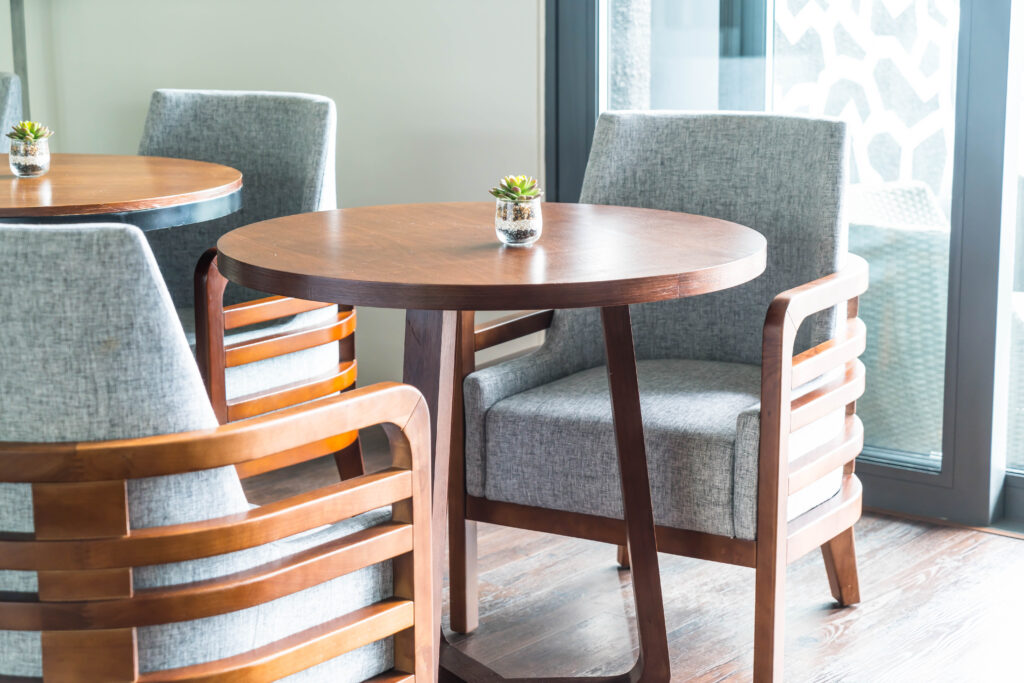
Lightweight Paulownia furniture for modern living is gaining attention as households and designers seek sustainable, practical, and stylish options. With urban lifestyles demanding flexibility and eco-friendly choices, Paulownia wood provides an ideal solution that balances strength, beauty, and ease of use.
Why Lightweight Furniture Matters
Modern living spaces are often smaller and more dynamic, especially in urban areas. Lightweight furniture allows for easier movement, modular design, and multi-purpose use. Paulownia wood, being remarkably light yet strong, fits this demand perfectly. Unlike traditional hardwoods that are heavy and difficult to transport, Paulownia offers both convenience and durability.
Strength Meets Sustainability
One of the standout qualities of Paulownia furniture is its balance between weight and resilience. Despite being lighter than many hardwoods, it resists warping and cracking, making it suitable for long-term use. Its rapid growth and regenerative ability also make it an environmentally responsible choice, aligning with consumer preferences for sustainable living.
Modern Design Possibilities
Lightweight Paulownia furniture adapts well to contemporary design needs. Its pale, smooth grain can be left natural for a minimalist look or stained for richer tones. Designers appreciate its versatility for creating sleek tables, shelves, and storage units that enhance both style and function. Because it is easy to work with, Paulownia opens creative opportunities for furniture makers.
Benefits for Households
For homeowners and renters alike, Paulownia furniture offers practical benefits. Lightweight chairs, beds, or cabinets are easy to rearrange during cleaning, relocation, or redesign. Its moisture resistance adds durability in humid environments, while its natural appearance creates a calming aesthetic suited to modern interiors. These advantages make Paulownia a smart investment for functional yet stylish living.
Supporting a Greener Future
Choosing Paulownia furniture also supports global sustainability goals. Its fast growth reduces pressure on slower-growing hardwoods, while its ability to regenerate after harvest conserves soil health. As demand for eco-friendly furniture rises, Paulownia provides a renewable option that reduces environmental impact without compromising quality or design.
Final Thoughts
Lightweight Paulownia furniture for modern living is more than just a trend—it represents the future of sustainable, practical, and stylish interiors. By combining durability with flexibility, it meets the needs of households while promoting responsible forestry practices. For consumers and designers, Paulownia stands out as the wood of choice for greener, smarter homes.