Paulownia’s Role in Restoring Degraded Landscapes
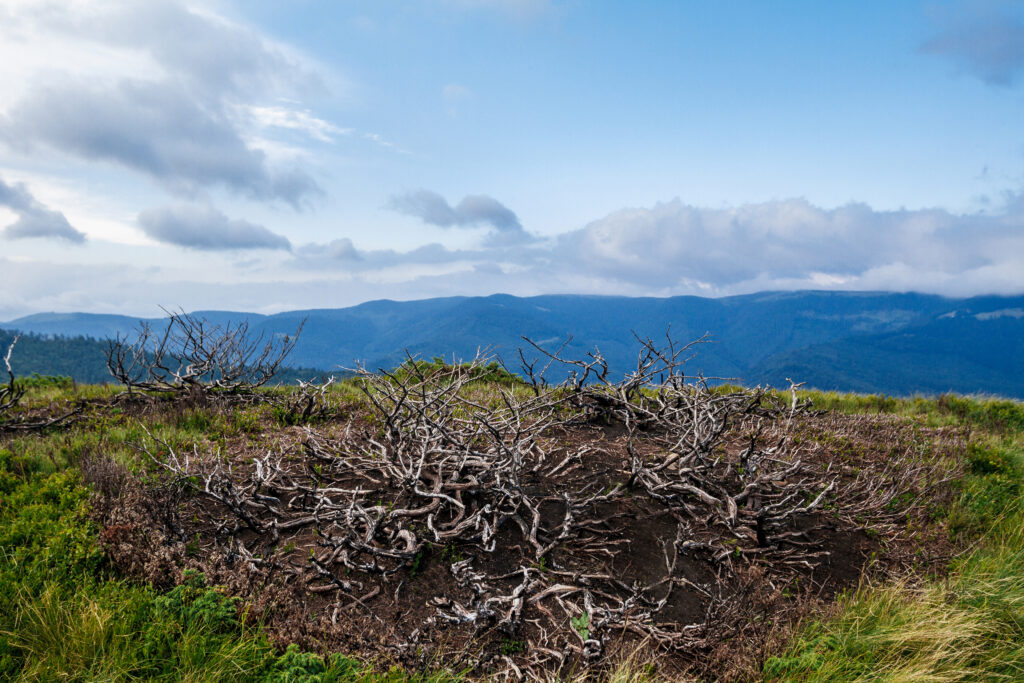
Paulownia’s role in restoring degraded landscapes is increasingly recognized by farmers, researchers, and environmentalists. Degraded land, often caused by deforestation, overgrazing, or poor farming practices, can lose its ability to support crops and ecosystems. By integrating Paulownia into land management, communities can reverse damage while creating opportunities for sustainable growth.
Addressing Soil Degradation
One of the most pressing challenges in degraded landscapes is poor soil quality. Paulownia trees improve soil structure through their deep root systems, which draw up nutrients from lower layers and recycle them into the topsoil. Their broad leaves add organic matter when they fall, enriching soil fertility and helping to restore areas once thought barren.
Combating Erosion and Desertification
Degraded land is often vulnerable to erosion, especially in arid or semi-arid regions. Paulownia’s extensive root network stabilizes the soil, preventing it from being washed or blown away. Its rapid growth and canopy cover reduce surface runoff and limit desertification. This makes Paulownia an effective tool for protecting watersheds and fragile ecosystems.
Boosting Biodiversity
Restoring degraded landscapes requires more than soil recovery—it also involves rebuilding ecosystems. Paulownia plantations provide habitats for insects, birds, and small mammals. By creating shaded, cooler microclimates, these trees support the regeneration of native plants and encourage the return of wildlife, adding resilience to recovering ecosystems.
Economic Incentives for Communities
Restoration efforts must also consider the needs of local communities. Paulownia provides timber, fodder, and shade, offering economic benefits alongside environmental gains. By restoring degraded land with Paulownia, farmers gain an additional income source while ensuring long-term sustainability. This dual advantage encourages broader adoption of restoration projects.
Climate Change Mitigation
Another significant role of Paulownia in degraded landscapes is carbon sequestration. Its fast growth rate allows it to absorb large amounts of carbon dioxide, contributing to climate change mitigation. Combined with its soil restoration and erosion control benefits, Paulownia serves as both an environmental solution and a climate action tool.
Final Thoughts
Paulownia’s role in restoring degraded landscapes highlights its value as a multipurpose tree. By addressing soil health, erosion, biodiversity, and climate change, it offers a holistic approach to land recovery. For communities seeking sustainable solutions, Paulownia stands as a powerful partner in bringing degraded land back to life.