Unlocking Export Potential with Paulownia Timber
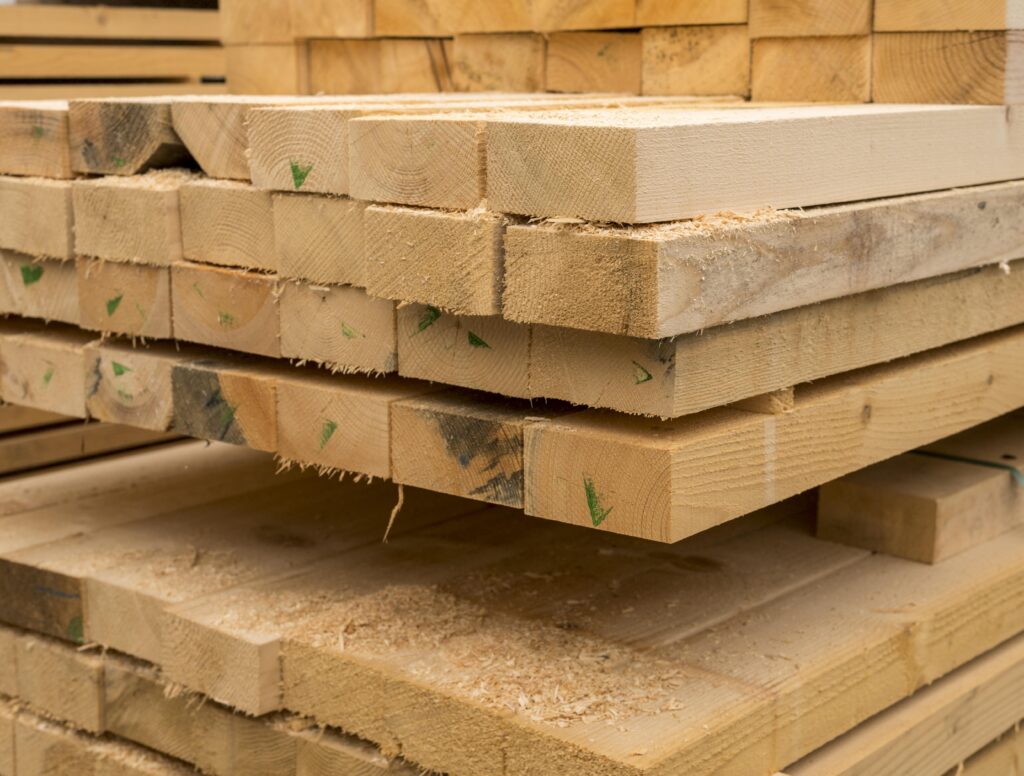
Unlocking export potential with Paulownia timber is a promising opportunity for investors and farmers seeking sustainable income streams. Known for its lightweight yet durable properties, Paulownia has attracted global interest across industries from furniture to construction. For African growers, tapping into international markets could transform local forestry ventures into global trade success stories.
Rising Global Demand
International markets are increasingly shifting toward sustainable wood products. Paulownia’s unique balance of strength and lightness makes it highly desirable for furniture, surfboards, musical instruments, and eco-friendly housing. With growing awareness of climate-friendly materials, demand for certified Paulownia timber is expected to rise, creating room for new exporters.
Competitive Advantages
Compared to other hardwoods, Paulownia offers clear advantages for export. It matures faster, often reaching harvest size within 7–10 years, reducing waiting periods for returns. Its stability against warping and resistance to pests add to its appeal. Moreover, the tree’s regenerative ability after harvest ensures consistent supply, which strengthens long-term export strategies.
Building Export-Ready Plantations
To fully unlock export potential with Paulownia timber, farmers and investors must focus on quality management. Straight trunks, uniform spacing, and careful pruning all improve timber value. Adopting international forestry standards and certifications increases credibility and ensures smooth entry into markets in Europe, Asia, and North America.
Overcoming Export Challenges
While the opportunities are immense, exporters must address hurdles such as logistics, certification costs, and trade regulations. Establishing farmer cooperatives or partnerships with processing companies can help overcome these challenges. By pooling resources, smallholders can meet large-volume orders and ensure consistent quality that meets global demand.
Economic and Community Benefits
Export-oriented Paulownia plantations do more than generate foreign exchange. They create jobs in planting, harvesting, processing, and transport. Local communities benefit from skills training and infrastructure development linked to international trade. At the same time, export income supports reinvestment into agroforestry systems, strengthening both economic resilience and environmental sustainability.
Final Thoughts
Unlocking export potential with Paulownia timber requires careful planning, quality management, and global market awareness. With rising international demand for sustainable wood, Paulownia is well-positioned to become a leading African export. By focusing on quality and collaboration, farmers and investors can turn local plantations into global opportunities while supporting community growth and ecological balance.