Prioritizing Community Service Through Sustainanble Practices
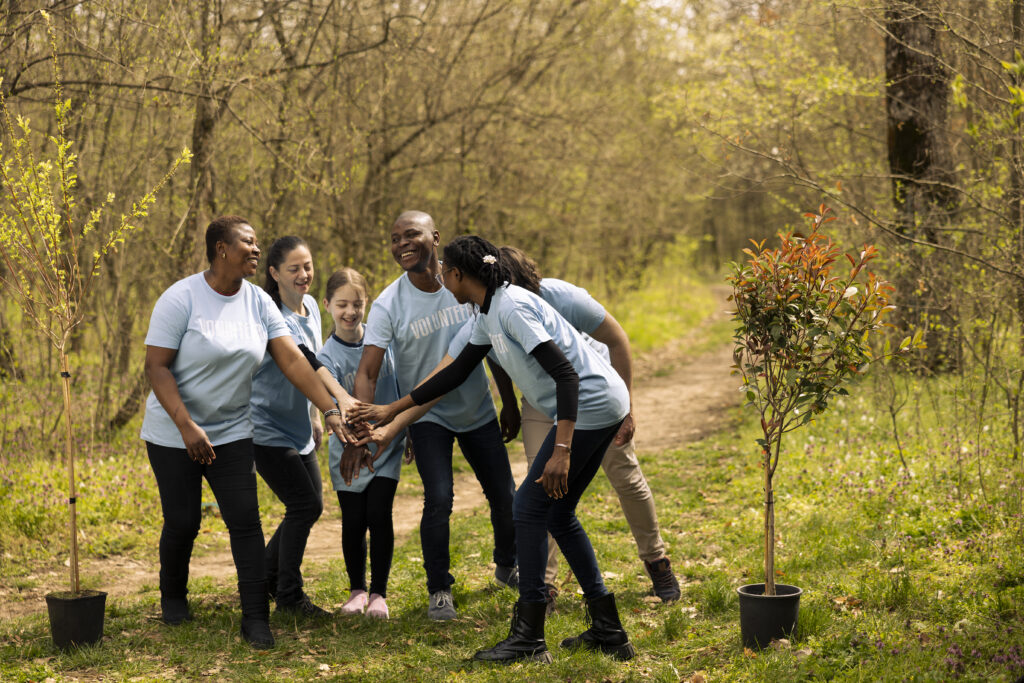
Paulownia cultivation is increasingly recognized not just for its economic value but also for its role in environmental sustainability and community service. As climate change and deforestation continue to impact livelihoods globally, adopting sustainable practices in Paulownia forestry can create lasting benefits for both people and the planet.
Sustainable Paulownia for Environmental Balance
Paulownia is known for its rapid growth and ability to absorb significant amounts of carbon dioxide. By planting and managing Paulownia sustainably, communities can actively contribute to reducing greenhouse gas emissions. Its large leaves improve air quality, while its root system helps restore degraded soils, making it a valuable resource for combating land degradation.
Community Benefits from Responsible Forestry
Sustainability goes beyond environmental gains; it also fosters stronger communities. Through community-focused Paulownia projects, farmers and local residents gain access to renewable timber, affordable furniture, and shade trees that support local well-being. Prioritizing service means ensuring that these benefits are accessible, fairly distributed, and supportive of long-term livelihoods.
Integrating Climate Action with Community Service
Climate-smart forestry is not only about reducing harm but also about creating resilience. Paulownia plantations designed with sustainable principles provide shade, reduce erosion, and act as windbreaks for farms. This strengthens food production systems while protecting water resources. When paired with educational programs, such practices empower local communities to actively engage in climate action.
Transparency and Collaboration as a Service Model
For sustainable forestry to succeed, transparency is key. Communities and organizations involved in Paulownia cultivation need clear communication about planting methods, harvesting timelines, and environmental impact. Collaborative projects, where farmers, investors, and environmental groups share knowledge, ensure that sustainability is not just a concept but a lived reality.
Final Thoughts
Prioritizing community service through sustainable Paulownia practices creates a powerful model of forestry that benefits people, nature, and future generations. By combining climate action with social responsibility, Paulownia cultivation becomes more than just an investment—it becomes a commitment to a greener, more inclusive future.