Paulownia and the Future of African Reforestation
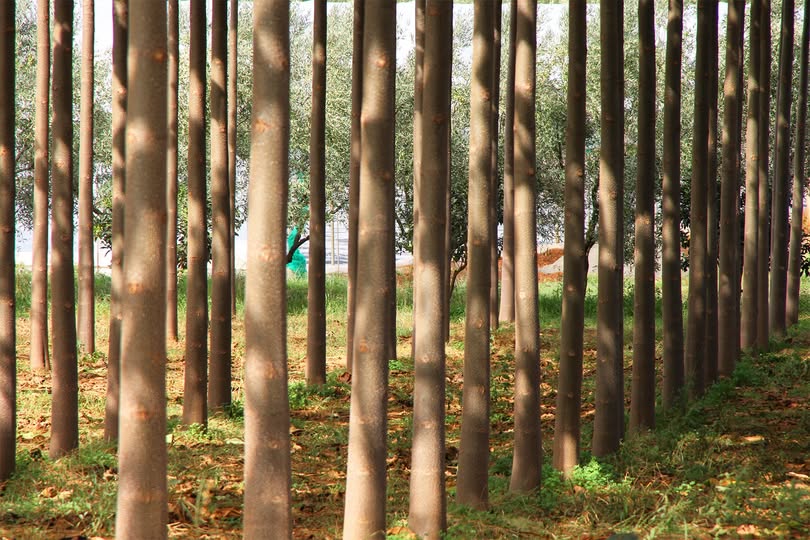
Paulownia and the Future of African Reforestation is not just a hopeful idea—it’s a practical path toward restoring ecosystems and building climate resilience across the continent. As Africa accelerates tree planting to fight deforestation, Paulownia stands out as a fast-growing, sustainable species that can transform barren land into thriving forests.
Why Paulownia Leads Africa’s Reforestation Efforts
Paulownia grows remarkably fast, reaching maturity in as little as five to seven years. Its deep roots help stop soil erosion, while its large leaves absorb significant amounts of carbon dioxide. In addition, Paulownia improves the soil instead of depleting it, allowing biodiversity to flourish.
These qualities make Paulownia ideal for African reforestation programs, where success depends on both speed and sustainability.
How Paulownia Supports People and Planet
Reforestation must benefit communities as much as the environment. Paulownia achieves both goals beautifully. Farmers can harvest its valuable timber while the tree regrows naturally from the same stump—a feature known as coppicing.
This means forests remain alive even after harvest, creating a continuous cycle of income and renewal. In Kenya and other African countries, Paulownia is helping farmers turn reforestation into a reliable livelihood.
Paulownia and Africa’s Green Policies
Paulownia directly supports Africa’s major environmental goals. From Kenya’s national tree-planting campaigns to the African Union’s Great Green Wall Initiative, this resilient tree helps meet national and continental targets. Because Paulownia adapts to various soils and climates, it can be planted even in dry or degraded regions, expanding Africa’s capacity for restoration.
A Blueprint for Scalable Reforestation
To achieve sustainable reforestation, Africa needs trees that grow fast, regenerate easily, and enrich the land. Paulownia checks all those boxes. By integrating it into agroforestry systems, land recovery projects, and community forests, countries can meet their reforestation goals faster and more efficiently.
With proper management, Paulownia and the future of African reforestation could become one and the same.
Final Thoughts
The promise of Paulownia is clear—it restores land, empowers farmers, and supports climate goals. As more people discover its potential, Paulownia will continue to redefine Africa’s green recovery story. The future of African reforestation is already growing, one Paulownia tree at a time.