Paulownia Wood Eco Construction: Sustainable Building for Africa
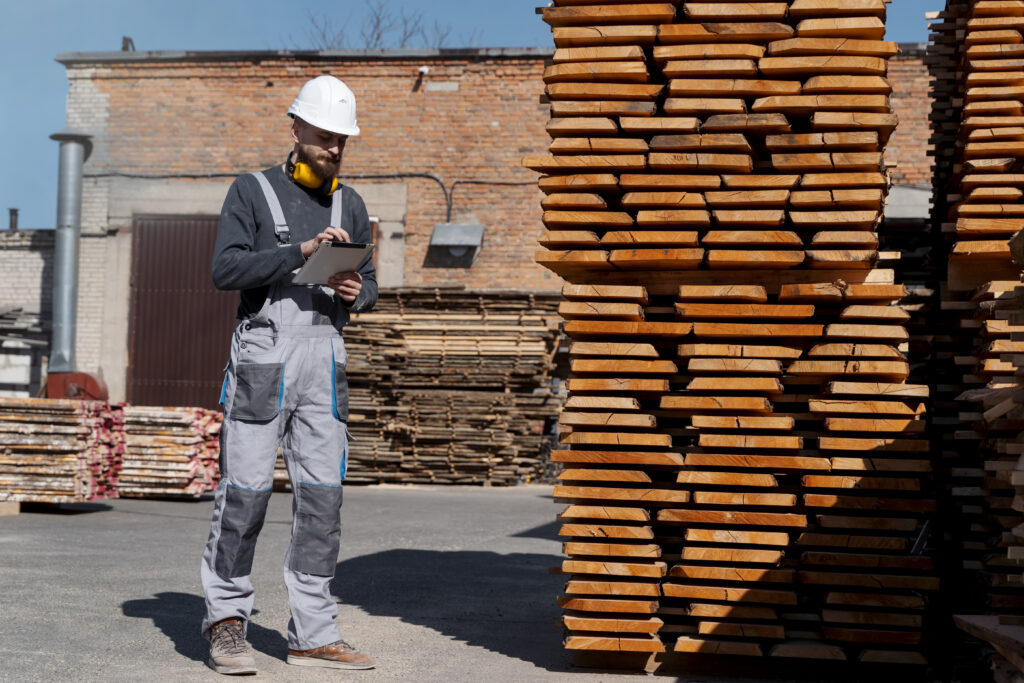
Paulownia wood eco construction is rapidly transforming sustainable building in Africa. Known for its lightweight strength, fast growth, and environmental benefits, Paulownia is emerging as a practical solution for builders, architects, and landowners seeking greener alternatives. By using Paulownia, developers can create structures that are both eco-friendly and economically viable, demonstrating that sustainability and profitability can go hand in hand.
Why Paulownia Leads in Sustainable Construction
Paulownia combines lightweight durability with natural resistance to warping, cracking, and decay. Unlike traditional hardwoods that take decades to mature, Paulownia can be harvested within five to seven years. This rapid growth enables sustainable rotation cycles and ensures a reliable timber supply. These qualities make Paulownia a preferred choice for environmentally conscious construction.
Environmental Benefits of Paulownia Wood
Planting Paulownia supports carbon sequestration and improves soil health. Its leaves enrich the soil, while its deep roots prevent erosion, making it perfect for degraded landscapes. Additionally, its regenerative ability allows plantations to remain productive long-term. Builders and developers can confidently market their projects as environmentally responsible and climate-conscious.
Practical Applications in Modern Construction
Paulownia is versatile and ideal for flooring, paneling, lightweight furniture, and prefabricated structures. Architects increasingly explore its potential in modular homes and innovative building methods. Its combination of lightness, strength, and environmental benefits ensures projects meet functional, aesthetic, and ecological standards. Using Paulownia in construction provides both sustainability and design flexibility.
Economic Potential of Paulownia Timber
The rising global demand for sustainable building materials opens opportunities for African entrepreneurs and landowners. Paulownia plantations provide a profitable timber source while supporting rural economies and creating jobs. By cultivating Paulownia for construction, landowners benefit from both local and export markets. This combination of ecological and financial value ensures a long-term return on investment.
Final Thoughts
For architects, builders, and landowners, Paulownia wood eco construction represents a transformative material. Its lightweight strength, durability, and regenerative nature make it a cornerstone for Africa’s green building future. By adopting Paulownia, Africa can embrace sustainable construction while creating lasting economic and ecological impact.