Paulownia Farming as Africa’s Green Investment
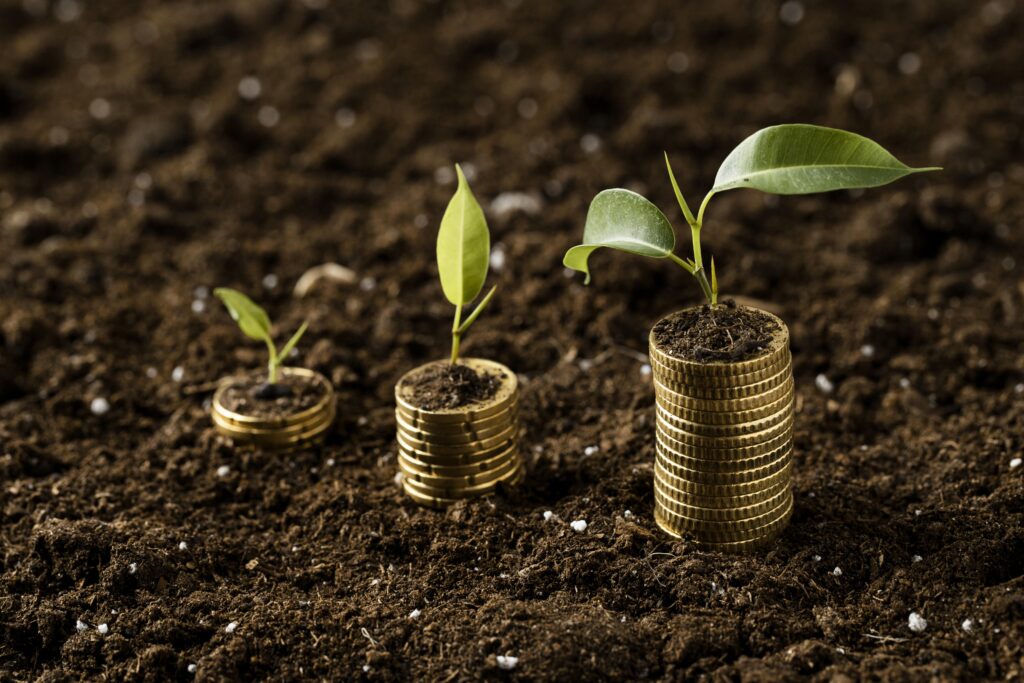
Africa’s economy is steadily embracing green investments, and Paulownia farming is emerging as one of its most promising ventures. Known for its rapid growth and exceptional versatility, the Paulownia tree presents an opportunity for landowners, investors, and governments to earn sustainably while supporting environmental goals. Paulownia farming as a green investment bridges the gap between profit and planet — a true model for sustainable wealth creation.
The Economic Value of Paulownia Farming
Paulownia grows faster than most timber species, reaching maturity in as little as five years. This rapid cycle allows farmers to generate steady income within a short timeframe, unlike traditional hardwood trees that can take decades to mature. The wood itself is lightweight yet durable, with a high market value in construction, furniture manufacturing, and export industries. As global demand for sustainable materials increases, African growers stand to benefit significantly from investing in Paulownia farming.
Job Creation and Rural Development
Paulownia farming as a green investment is not just for large-scale investors — it empowers smallholder farmers as well. The tree’s low maintenance and resilience make it suitable for varied African climates. Communities can grow Paulownia alongside other crops, maximizing land use while earning additional income. This model supports rural employment, boosts local economies, and enhances food security through intercropping.
Environmental Benefits That Add Value
Beyond financial returns, Paulownia farming contributes greatly to Africa’s environmental agenda. The tree absorbs up to ten times more carbon dioxide than most species, making it a powerful tool in climate change mitigation. Its deep roots prevent erosion and restore soil health, while its broad canopy helps combat desertification. These ecological benefits position Paulownia as an investment that yields both monetary and environmental dividends.
Driving Africa’s Green Growth Agenda
Governments across Africa are increasingly promoting green investments as part of their national development plans. Paulownia farming perfectly aligns with these initiatives, offering a renewable, high-yield forestry model that supports reforestation, clean energy, and sustainable land use. Investors who adopt this approach become part of a movement toward long-term ecological balance and economic transformation.
Final Thoughts
Paulownia farming as a green investment proves that environmental conservation and economic prosperity can coexist. For Africa, this is more than just a new agricultural venture — it’s a pathway to generational wealth and a greener, more resilient future.