Paulownia Green Revolution
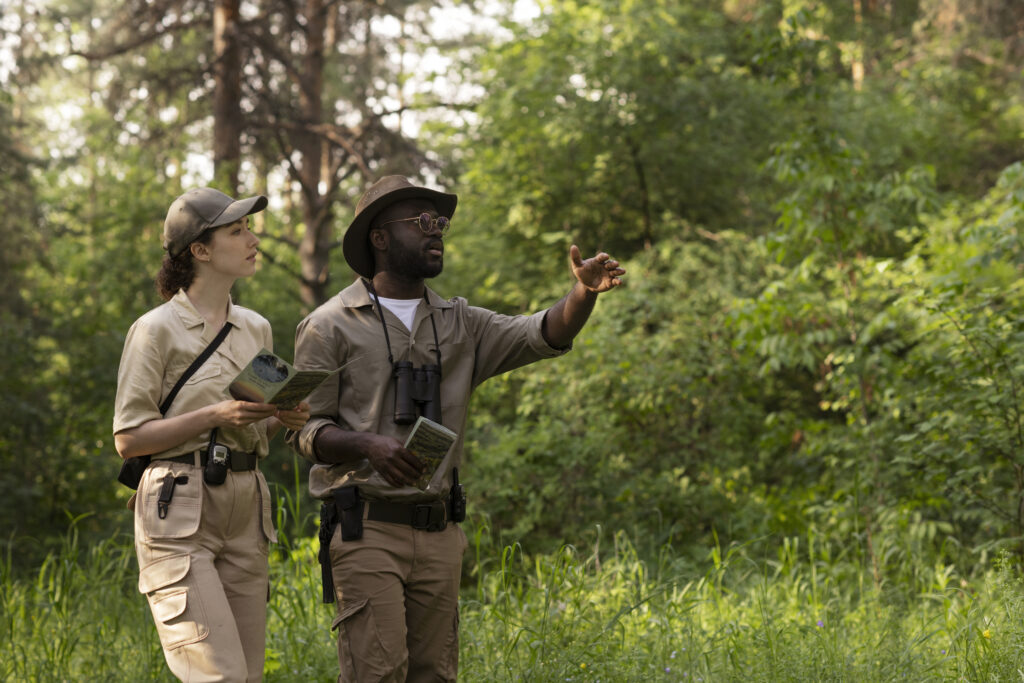
Paulownia leading the green revolution in Africa is transforming how communities approach sustainable forestry. This versatile tree combines rapid growth, carbon absorption, and economic benefits, making it a cornerstone of modern green initiatives. By planting Paulownia, farmers and policymakers alike can address climate challenges while fostering local prosperity.
H2: Economic and Environmental Benefits
One of the most compelling advantages of Paulownia is its dual economic and environmental impact. Farmers benefit from quick returns on timber, while communities enjoy improved air quality and soil stabilization. Moreover, the tree’s carbon absorption properties make it a powerful ally in climate change mitigation. Consequently, Paulownia planting is not just a financial opportunity but a strategic environmental solution.
H3: Fast Growth and Carbon Sequestration
Paulownia trees grow faster than most commercial timber species, reaching harvestable size in just 5–7 years. This rapid growth cycle allows landowners to generate income sooner while contributing to carbon sequestration efforts. Furthermore, the dense canopy reduces soil erosion and supports biodiversity by providing shelter for local wildlife. Therefore, incorporating Paulownia into reforestation projects accelerates both ecological restoration and economic benefits.
H2: Integrating Technology and Sustainable Practices
Modern forestry technologies can enhance Paulownia cultivation. Drone mapping, soil monitoring, and automated irrigation ensure optimal growth while minimizing waste. Additionally, using eco-friendly fertilizers and sustainable harvesting methods amplifies long-term benefits. As a result, Paulownia stands at the intersection of innovation and environmental stewardship, embodying the principles of smart, sustainable forestry.
H3: Community and Policy Support
Government policies that encourage tree planting and sustainable land use are crucial. With appropriate incentives, local communities are more likely to adopt Paulownia cultivation. Training programs and cooperatives can provide knowledge, equipment, and market access. In doing so, Paulownia becomes more than a tree—it transforms into a community-driven asset that strengthens rural economies while advancing national green goals.
Conclusion: A Tree for the Future
Paulownia exemplifies how environmental responsibility and economic opportunity can coexist. By planting this versatile tree, Africa not only combats climate change but also fosters sustainable development. As more communities embrace Paulownia, the continent moves closer to a green revolution that benefits both people and the planet.