Paulownia and National Climate Targets: Policies Driving Action
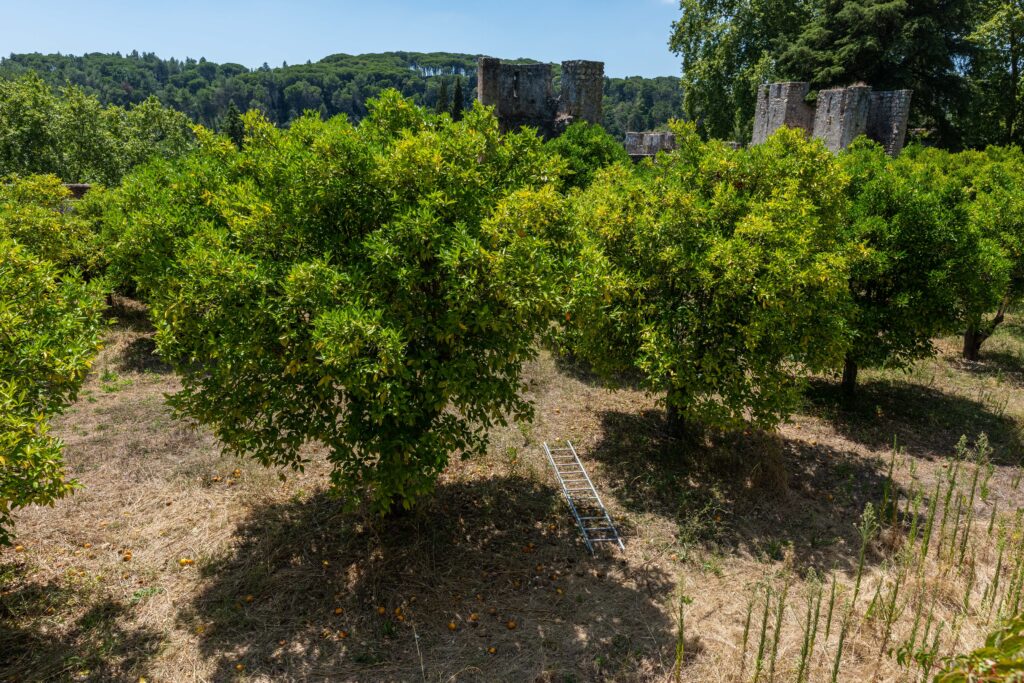
Paulownia and national climate targets are becoming deeply connected as governments push for sustainable development. Across Africa and beyond, policies now focus on tree planting, renewable materials, and carbon capture. In each of these areas, Paulownia plays a major role. Fast-growing, lightweight, and excellent at absorbing carbon, this tree bridges the gap between climate promises and practical action.
Paulownia in Climate Policy
Governments increasingly understand that national climate targets depend on nature-based solutions. Paulownia fits perfectly into this vision because of its remarkable ability to absorb carbon dioxide faster than most hardwoods. Studies show that a single Paulownia tree can capture up to ten times more carbon per year than common species. By including Paulownia in reforestation and agroforestry projects, nations can meet emission reduction targets set under agreements like the Paris Accord.
Supporting National and Local Programs
In Kenya and other developing countries, afforestation and land restoration programs are expanding. Paulownia supports these goals while also offering economic rewards. Its rapid growth and high yield give farmers opportunities to join carbon offset initiatives and timber markets. With more climate finance projects and reforestation grants becoming available, Paulownia plantations are growing in number and importance.
Industrial Uses for Low-Carbon Growth
Beyond forestry, Paulownia helps industries meet green manufacturing goals. Its timber is ideal for lightweight furniture, veneers, and building panels. By replacing non-renewable or heavier materials, manufacturers can reduce emissions and support a greener economy. This practical use of Paulownia links industry success with environmental protection, showing how innovation supports climate targets.
Energy and Efficiency Benefits
Paulownia also supports renewable energy policies. Its wood works well as a clean biofuel with high energy output. Using Paulownia for biomass energy helps countries reduce fossil fuel reliance and diversify energy sources. This shift strengthens clean energy transitions while maintaining environmental balance.
Sustainable Management for the Future
To ensure long-term results, policies must encourage responsible cultivation. Sustainable plantation practices protect soil, prevent monoculture risks, and enhance biodiversity. Training, community awareness, and partnerships with local farmers ensure Paulownia benefits both people and the planet.
Paulownia and national climate targets together show how strong policies and natural solutions can drive real progress. With the right management, this remarkable tree can help nations move closer to carbon neutrality and a greener, more resilient future.